Hidden Beats

Your Ultimate Source for Music, Entertainment and Community

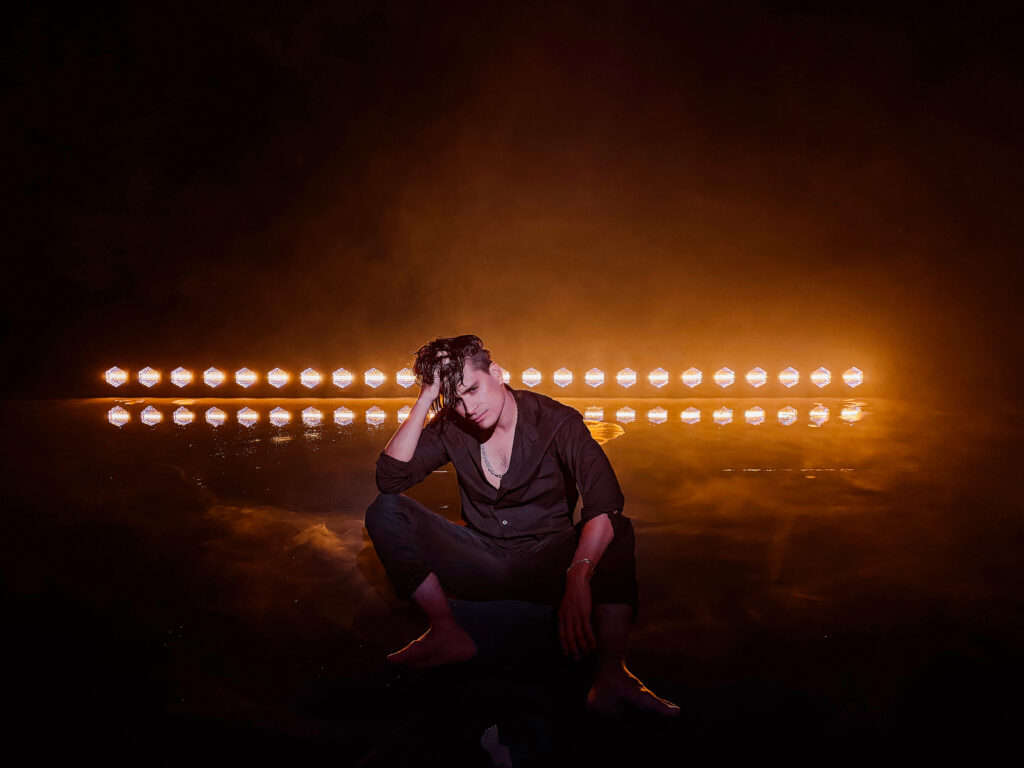
Spotlight: Andy Rubal

We sat down with Andy Rubal to get a closer look at his creative journey and what inspires his music. In this conversation, we explore his process, his recent projects, and the stories behind his songs. Andy opens up about the challenges and joys of bringing his vision to life, giving listeners a rare glimpse into his world.

From discussing his early influences to the moments that shape his sound today, this interview offers a thoughtful and personal perspective on Andy Rubal as an artist. Whether you are a longtime fan or discovering his music for the first time, the conversation is full of insight and warmth.

Congratulations on your first JUNO nomination. What did it mean to you to see Baila y Confía recognized in the inaugural Latin Music Recording of the Year category?

Receiving this nomination has been a great blessing. It’s a recognition of the work my team and I have been doing over the past seven years here in Quebec. Knowing that I was nominated while making history in the Latin music category is also a commitment—to my roots and to an entire community.

You were born in Santiago de Cuba and now call Montréal home. How have those two worlds shaped the sound you create today?

 Santiago de Cuba is always with me in my daily life. It’s part of my cultural identity—my way of speaking, my rhythms, and my musical concepts. Montreal has helped shape my artistic output, which continues to grow as I explore new horizons and connect with different perspectives. The language, the climate, the culture—they’re completely different, but through that process of adaptation, everything has blended together, creating unity in my music and making me feel like I’m playing at home.
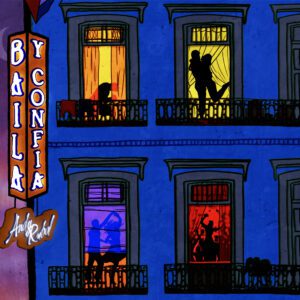
Baila y Confía translates to “Dance and Trust.” What inspired that title, and what does it represent in your life right now?

Baila y Confía is the result of a mix of emotions. It came from a painful period in my life—filled with breakups, internal conflicts, a lack of direction, and even a bit of depression, without fully realizing it. I also experienced the loss of close friends and saw others going through deeply personal struggles. Through all of that, the only thing that brought me relief was seeing people dance to my music—that would heal me, even if just for a moment. And personally, I found deep trust in God’s love. That’s why the album is called Baila y Confía.

Salsa is rooted in tradition, yet your music blends jazz sophistication and pop sensibility. How do you balance honoring your roots while creating something unmistakably your own?

I believe there’s a jazz musician somewhere inside me. I love improvising on the piano and creating interesting horn riffs, while still staying true to the salsa style this album required. At the same time, pop melodies are naturally part of my musical imagination, and they find their place within the music.

The album explores themes of self-discovery, romance, and faith. Was there a song on this record that felt especially vulnerable or transformative to create?

The song Baila y Confía itself is a confirmation of faith in God—in what’s to come, in understanding that we’re not in control, and that we have to trust, keep moving forward, and fight while being grateful for every achievement. The song Déjame Vivir came from a very raw place—it was a true outpouring of the soul, born from a moment of deep desperation during the most difficult time in creating this album.

You’ve performed at major festivals like the Montreal International Jazz Festival and toured internationally. What does being on stage give you that the studio cannot?

I love this question, because my biggest goal in the coming months is to capture in the studio what I experience on stage. The energy I receive from the audience and the way I interact with them—that’s something I want to translate into the recording.

You’ve worked with Cuban icons like Raúl Paz and Orlando “Maraca” Valle. What is one lesson from those collaborations that continues to guide your artistry?

Orlando “Maraca” Valle has been a mentor to me in Afro-Cuban jazz and in mastering traditional Cuban genres like mambo and danzón, as well as in developing a level of musical discipline I hadn’t known before. Raúl Paz, on the other hand, gave me the opportunity to rearrange his repertoire into a symphonic format, which we performed in major venues like the National Archives in Metz, France, and the Basilica of the Convent of San Francisco de Asís, with musicians from the Paris Regional Symphony Orchestra, the Cuban National Symphony Orchestra, and the Mozartian Lyceum of Havana. Raúl Paz’s efficiency and artistic vision have been very influential for me.

What is one thing you are most proud of in your career so far?

Without a doubt, having a team that beats with me, that feels with me—and a collective of extraordinary musicians who are also my friends.

What is the most interesting thing you’ve learned about yourself through music?

I’ve learned that being a perfectionist is a big mistake—that you are who you are, and that’s enough to offer something meaningful to the world. You have to be honest with your art, regardless of external factors. Stay true to your convictions, while still being open to learning and listening to others—even when it doesn’t align with your musical vision at that moment.

Salsa music often brings joy and movement, but it can also carry deep emotion. What do you hope listeners feel when they hear Baila y Confía for the first time?

I want people to listen to the album and dance to it—but within the lyrics, there’s a deeper emotional layer that I hope they connect with. It’s an album you can listen to even without dancing.

As a first-time JUNO nominee, what does this moment represent for Latin music within the Canadian music landscape?

From this moment on, there’s a strong responsibility to continue creating great music for a growing community that is becoming more visible in this beautiful country that has welcomed us with open arms. Bringing our cultural traditions and sharing them is wonderful—but just as important is staying connected to the Canadian values that have allowed this country to offer us love and freedom.

What is one question you wish people asked more often in interviews — especially about Latin music or your creative process?

What does the piano mean to me?

Looking ahead, what excites you most about the next chapter of your journey?

I see a beautiful future, if God wills it. I feel inspired to create another album where I’ll explore new sonic landscapes while staying rooted in Latin rhythms. Meaningful collaborations with other artists, and simply continuing to work—that’s something I’m deeply grateful for and excited about.

Thanks for joining us for this Spotlight: Andy Rubal conversation.

Check out the music today!

Stay Updated here