Hidden Beats

Your Ultimate Source for Music, Entertainment and Community

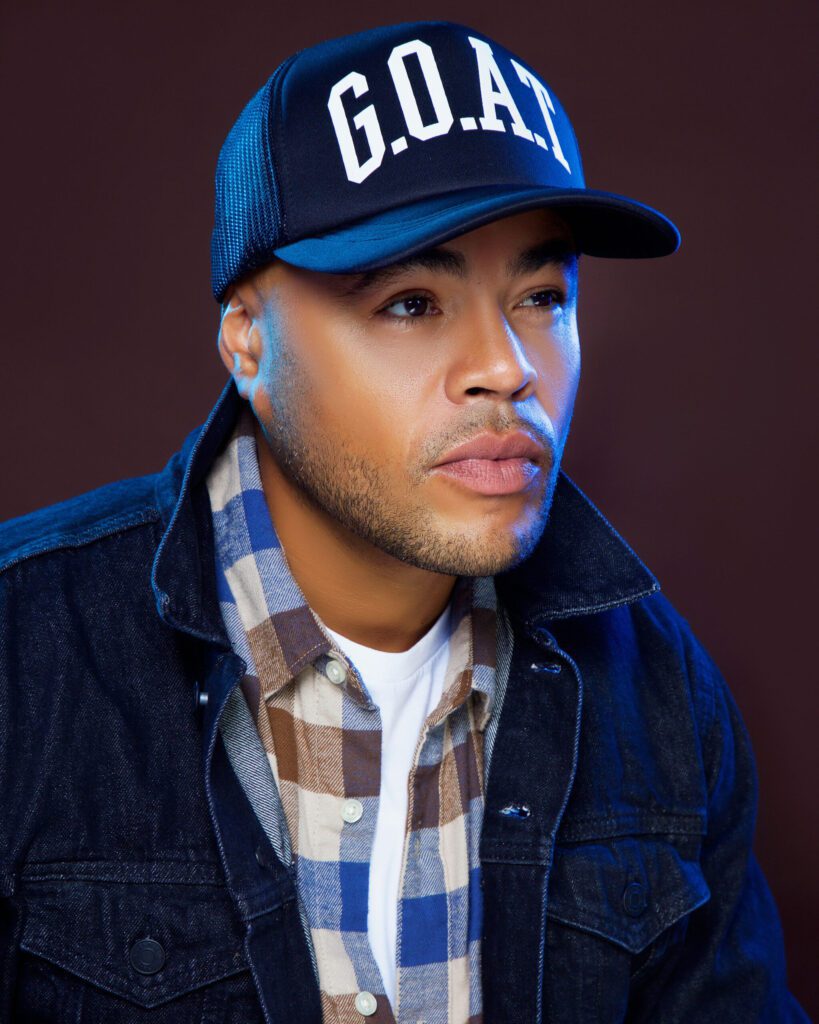
Spotlight: D.O. Gibson brings us face to face with an artist whose journey in hip hop continues to evolve with purpose and passion.

In Spotlight: D.O. Gibson, we catch up with the veteran Canadian hip hop artist to talk about his creative evolution, new music, and the journey that continues to shape his voice. With decades in the game and a reputation for sharp lyricism and authentic storytelling, D.O. reflects on where he started, how the culture has changed, and what still drives him to step into the booth. The conversation moves naturally between past milestones and current projects, giving insight into the mindset of an artist who has never stopped pushing forward.

At this stage in your journey, where do you feel the real work is happening — creatively, mentally, or personally?

Honestly, it’s happening in all three, but mentally is the engine right now. Creatively, I’ve built the muscle — I can write, perform, record. Personally, I’ve grown through fatherhood, loss, divorce, and rebuilding. But the mental work is where everything gets aligned: discipline, clarity, and intention. That’s what allows the creative and personal sides to operate at a higher level.

“Learned From The Greatest” feels more reflective than declarative. What sparked this song at this moment in your life?

I’ve reached a place where I can look back and see the lineage — mentors, OGs, teachers, family, artists, people who poured into me without even knowing it. The song came from gratitude. Not proving anything. Just acknowledging that I didn’t get here alone.

The idea that “success leaves clues” has been a long-standing philosophy for you. How does this track deepen or evolve that idea compared to earlier work?

Haha, you remember! Yes, Classified is someone I really learned from.  Earlier, it was about chasing success — studying it, decoding it. Now it’s about carrying it forward. The clues aren’t just for me anymore. They’re for the next generation. The song is less about finding the blueprint and more about becoming part of it.
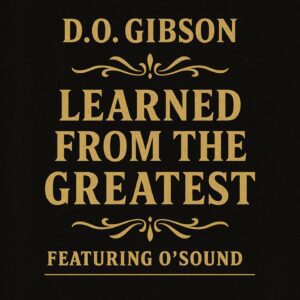
Collaboration has always played a role in your growth. What did working with O’Sound unlock for you creatively or emotionally on this song?

O’Sound brought patience and musicality. He hears emotion first, not just rhythm. That pushed me to sit in the message longer and not rush the delivery. Emotionally, it made the record feel like a conversation instead of a statement.

When you’re writing lyrics now, who are you really speaking to — your younger self, the students you mentor, or the version of yourself that’s still becoming?

All three exist in the room. My younger self keeps me honest. The students keep me responsible. The version of me that’s still becoming keeps me hungry.

Many of your lyrics reference lessons learned through adversity rather than victory. Is there a line from your catalogue that came directly from a difficult or uncomfortable moment?

I’d have to say the song “No Traffic”.  I talk about the importance of staying in your own lane and owning it.  A lot of my strongest lines came from times when I felt overlooked or uncertain. Moments where I had to bet on myself with no guarantee. Those lines carry weight because they weren’t written in comfort — they were written in survival mode.

Your recent writing carries a sense of calm confidence — less urgency, more clarity. What shifted internally to allow that change in tone?

I stopped trying to outrun time. Earlier in my career, everything felt urgent — prove it, build it, make it happen. Now I understand pace. Consistency beats urgency. That shift created calm.

Freestyling is often described as being fully present in the moment. How has that mindset influenced the way you now approach written lyrics?

I write like I freestyle now — trusting the first honest thought. Less editing for approval, more capturing the truth in the moment. Presence makes the writing feel alive.

Is there a lyric you wrote years ago that you didn’t fully understand until much later? What did time reveal about its meaning?

Definitely. On my first song that I released – my first music video that premiered on MuchMusic independently – “Say Now” I rapped, “Didn’t you start out as an MC? Never going to let the evils tempt me.”  At the time, I just believed in lyricism and, as a fan, was confused why a rapper would sell out.  Nowadays, there is no such thing as selling out.  But there is still value in being an MC!

Some of your bars feel instructional, while others are deeply personal. How do you decide when a lyric needs to teach — and when it simply needs to tell the truth?

If I’m trying to help someone, I teach. If I’m trying to heal something, I tell the truth. The balance is instinctual now.

Performing in schools and community spaces places your words in a unique context. How has that audience shaped your sense of responsibility as a lyricist?

It sharpened it. When you see young people listening closely, you realize words aren’t just entertainment — they’re direction. I don’t take that lightly.

Before people ever hear you speak, they often hear your music first. What do you hope listeners absorb between the lines of your lyrics?

Self-belief. Discipline. Respect for where you came from. And the understanding that your story matters — even if you’re still writing it.

Your upcoming book, In The Flow Zone, explores peak performance and creative alignment. How does lyric writing help you access flow in a way speaking or teaching does not?

Lyrics bypass logic. Speaking and teaching require structure. Writing music lets emotion lead. That’s where flow lives — in that space between thought and instinct.

With records, accolades, and a massive body of work behind you, what part of your craft still feels unfinished?

Mastery of simplicity. Saying more with fewer words. That’s the next level.

If your catalogue were treated like a curriculum, what lesson do you think people overlook the most?

Consistency. People focus on the moments — the songs, the performances — but the real lesson is showing up every day, even when nobody’s watching.

When listeners place “Learned From The Greatest” alongside your earlier releases, where do you hope it lands emotionally for them?

I hope it feels like growth. Not louder — wiser. Like the voice of someone who’s been through it and came back with perspective.

As you prepare to take this music back into schools and communities on tour, what do you hope actually changes for the people hearing it live?

I hope they leave believing they have permission to become who they’re meant to be. Not later. Now.

Spotlight: D.O. Gibson proves that staying true to your voice is what keeps the music moving forward.

Check out Learned From The Greatest now!

Stay up to date here!