
Hidden Beats

Your Ultimate Source for Music, Entertainment and Community

Spotlight: Floorplan

Floorplan has built a reputation for bringing uplifting energy and soulful rhythm to the world of house and techno. In this conversation we take a closer look at the creative vision behind the project, exploring the inspiration that shapes the music and the connection that continues to grow between artist and audience on dance floors around the world.

Floorplan exists within the world of Sweetness, yet the music behind it is very real. When did the project shift from feeling like a film component to something that could stand on its own?

Martin: For me, these songs began as honest explorations long before the film went to camera. We (Blitz//Berlin) figured that the best way to make Payton feel like a real person in a real band was to write songs the way we always had – from the heart. So these songs began from a personal place, then were sculpted a little to fit the plot of the film. But the real ticket was casting Herman, who came in full of charisma and energy and raw emotion and nailed the vocals in like two sessions. That’s the moment Floorplan felt like a real band.  

Herman: In the beginning, the music was something I wanted to use as an introduction to Payton. A way of trying to put myself into an artist’s mind, and understanding the process a little better. After working on them for some time with Martin (and having a blast doing it), they started to transform into a full-on soundtrack. A soundtrack we wanted to share, not only in theatres. 
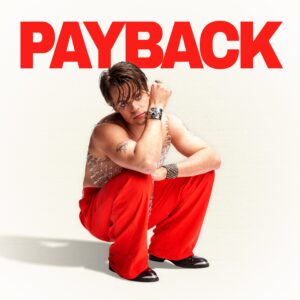
“Payback” is the first single audiences are hearing. What made this the right introduction to Floorplan?

Martin: To be honest, that one was a label decision. I think I’m too much in the “band guy” headspace with Floorplan to be any good at choosing a single. But I think they chose well!  

The track carries a dark, seductive tone tied to toxic love and emotional reckoning. How intentional was that emotional tension in shaping the sound?

Herman: Martin is too kind! I was lucky enough to receive the demos of the song, where they were all sung by Martin, and they sounded so good. I think we both realized that since our voices are so different, we had to play around with the sound to find something that fit my voice. How it turned a bit seductive is a mystery to me. 

Martin: So much of that is in the delivery. The lyrics were a blueprint, but the raw emotion Herman brought to the vocals really became our north star when finishing the writing and production on Payback.  

For Herman, stepping into the voice of Payton Adler meant performing music that reflects a character’s inner world. How did you approach connecting emotionally to that perspective?

Herman: Payton is such a troubled soul. Putting myself into that mindset didn’t feel like the right approach to me. But what I could relate to is being an artist/actor and feeling the pressure surrounding my craft and how I perform. And honestly, being in a booth recording these songs really helped. Repeating takes, getting a sore throat, testing and tweaking. It all played a part in finding the sound of Payton. 

Blitz//Berlin is known for cinematic composition. How did that background influence the way Floorplan’s sound was developed?

Martin: Honestly, writing the Floorplan songs was a blast. We were a punk band long before we were film composers, so getting in a room and writing 3 minute songs with verses and choruses was a familiar feeling. Kind of nostalgic. The trick was forgetting about the cinematic aspects of the score and just writing like a band again.  

Floorplan blurs the line between fiction and reality. Was it important that the music feel authentic — even for listeners who may never see the film?

Martin: 100%. But there’s only so much you can do as writers and producers. The make-or-break of Floorplan being authentic was Herman’s performance. 

Herman: It was so important that the music felt authentic. It’s such a common experience for young people to go through the “punk-rock” faze, so it had to feel relatable and real. Lucky enough for me and us, Martin and Blitz Berlin really know what they are doing. 

The themes explored through Payton Adler include addiction, emotional collapse, and clarity. How did you ensure those topics were handled honestly rather than theatrically?

Emma: While some of what happens in the film definitely falls into the realm of absurdity, I knew that none of our characters should feel that way. The film only succeeds if the performances of the people who inhabit it are grounded and real; this is especially true of Payton. I was very cautious of avoiding cliches for him, and there is one monologue that Herman delivers about his reasons for addiction that I think sums it up quite well: he doesn’t even fully know. It’s not a simple answer, just like in real life, things are often unknown and complicated. Herman did a beautiful job of exploring this with nuance and depth.  

Martin: Absolutely. This was a core topic of our early conversations on the film. Emma has such good creative instincts, and she wrote Payton as a wonderfully complex character. It was our job to write songs that felt honest to that vision.  

Herman: My job was to do my homework and try to at least do Payton’s struggles justice. As Emma mentioned, it was very important that it didn’t turn into a parody, and even though the movie has its wild spins, some parts stay grounded. 

There’s a rawness to the vocal production in “Payback,” particularly in its textures and distortion. What was the creative thinking behind that sonic choice?

Martin: On that track, the vocal production was completely informed by Herman’s delivery. We had originally played with a more layered or blended vocal channel, but when we received his vocals and his performance was so punchy and present, it felt right to give them an exposed and raw sound. There’s a little distortion and saturation in there, as well as a gated reverb, to complement the attitude he brought to the track. 

Because the band exists in a fictional universe, you had freedom to shape its identity without real-world constraints. What did that freedom allow you to explore creatively?

Martin: Oh man, the original Floorplan writing sessions were… very experimental. Lots of big swings! From pop-punk to heavy emo, to pure pop and even more electronic/dance tracks. We’re big believers in a no-bad-ideas approach to first-draft writing. So searching for Floorplan’s sound was very creatively free. Emma reeled us in and helped guide our approach until we discovered the right sound. 

For Emma, how central was the music in building the emotional arc of Sweetness?

Emma: I listen to music when I write my scripts. I listened to music every morning on the way to set and while editing. Music for me is always a way to set an emotional touchstone. We needed the songs and music of the film to feel authentic to the world of Rylee and Payton. These were songs that are dripping with angst and loneliness. They speak to a desire for connection and, as such motivate Rylee to do what she does. The songs continue to come back again and again throughout the film, especially “Black and Blue” which expresses a need for help, something that Rylee can interpret to her own goals and desires. Often songs allow us to project meaning onto them that is outside of the songwriter’s intention, and that’s very much true with Rylee.  

Now that Floorplan is stepping outside the screen with an official release, what excites you most about audiences engaging with the music independently of the film?

Martin: Seeing this band exist in the real world with a real record deal, and connecting with real fans… it feels like watching your imaginary son go off to college. Proud? But also, what is real? 

Herman: It’s absurd. Such an amazing experience being a part of making this EP, and shooting the movie was a dream. The fact that our band actually exists now is such a mindf***. I’m happy, and terrified. 

If listeners walk away from “Payback” without knowing anything about the movie, what do you hope they feel?

Martin: Good question! This may be a cop-out question, but I hope they feel inspired to look up the band and then discover the film in a completely novel way. 

Herman: I feel the same! It would be such a funny thing if someone stumbled over “Payback”, and ended up finding Sweetness. I’d love that! 

Does Floorplan feel like a one-time cinematic experience — or the beginning of something that could evolve beyond Sweetness?

Martin: Herman and I have talked! We’ve become great friends through this project, and are looking for an excuse to make more art together. I won’t promise anything but…  

Herman: We had such a great time making it. I loved every second. I’d be on the first plane over to make more if the opportunity presents itself. Fingers crossed! 

This conversation offers a closer look at the spirit behind Spotlight: Floorplan.

Check out Payback right now

Stay updated right here