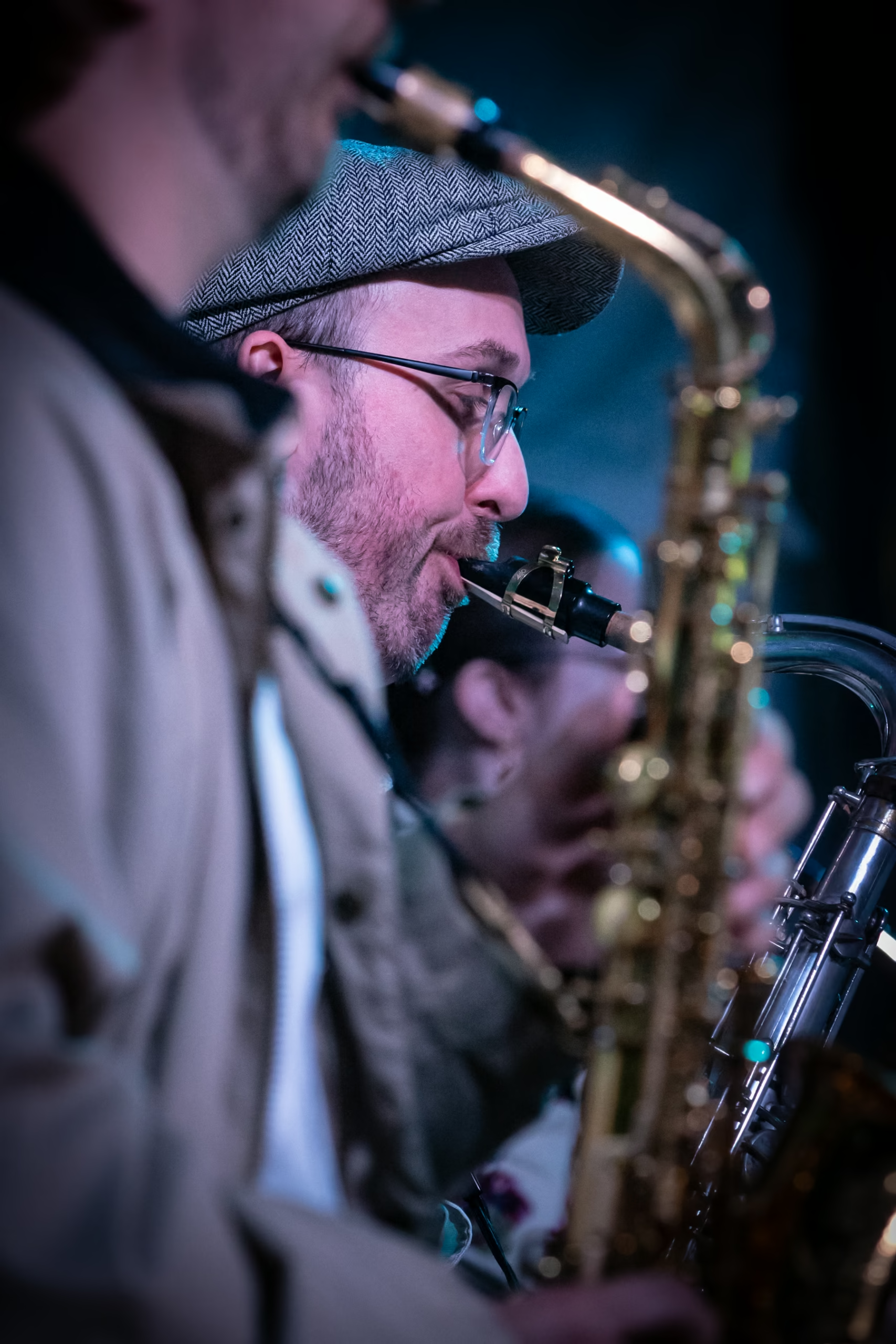
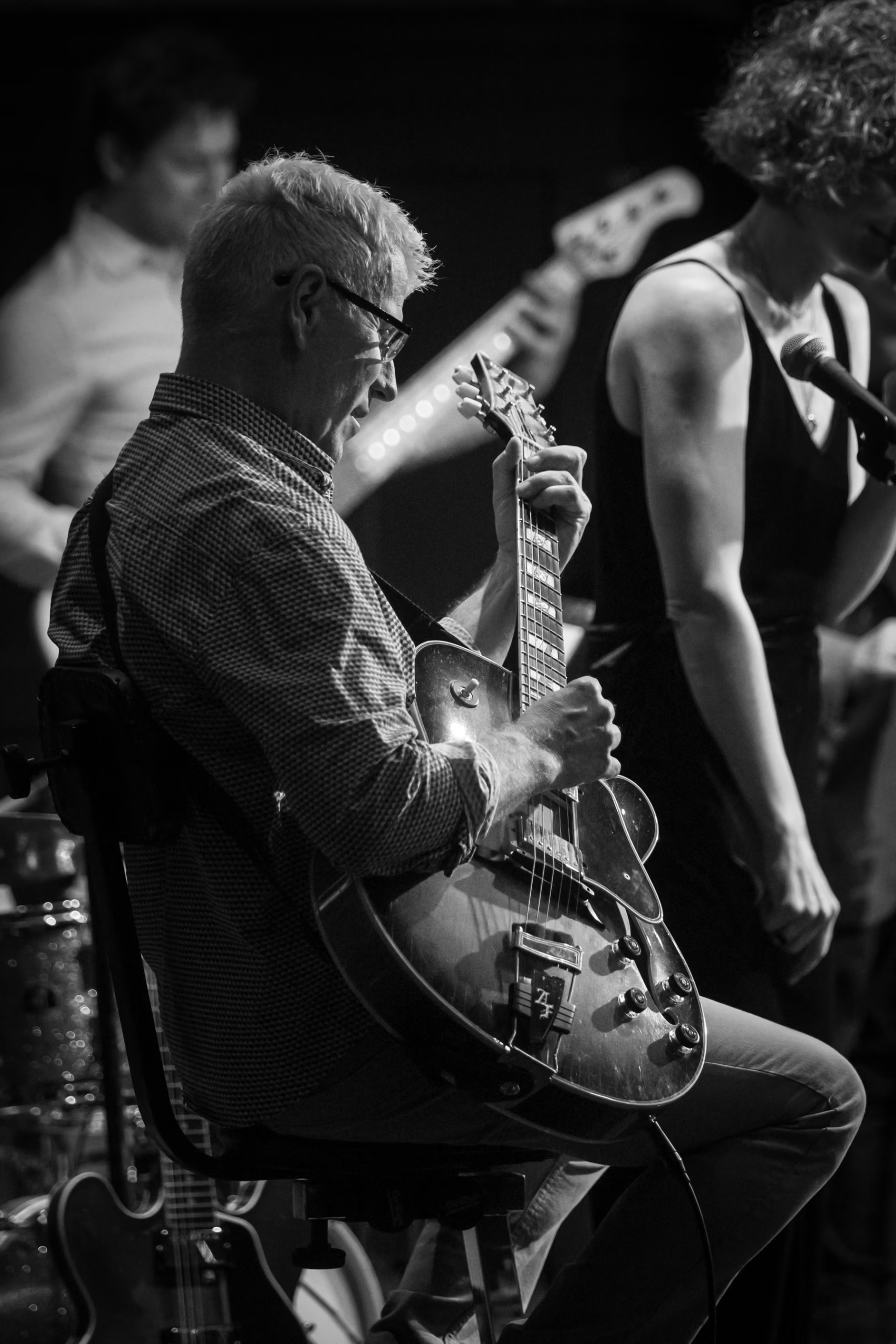
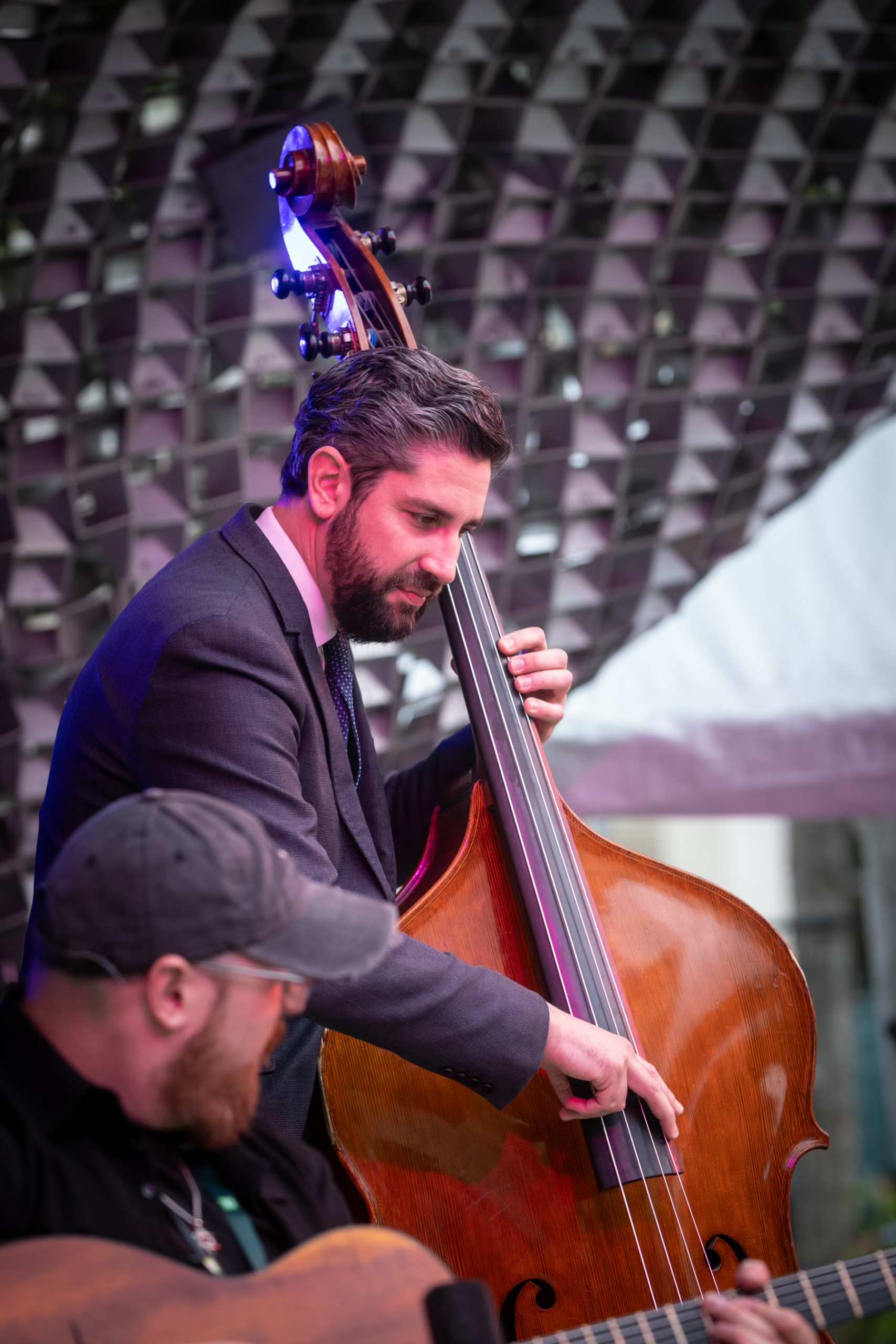
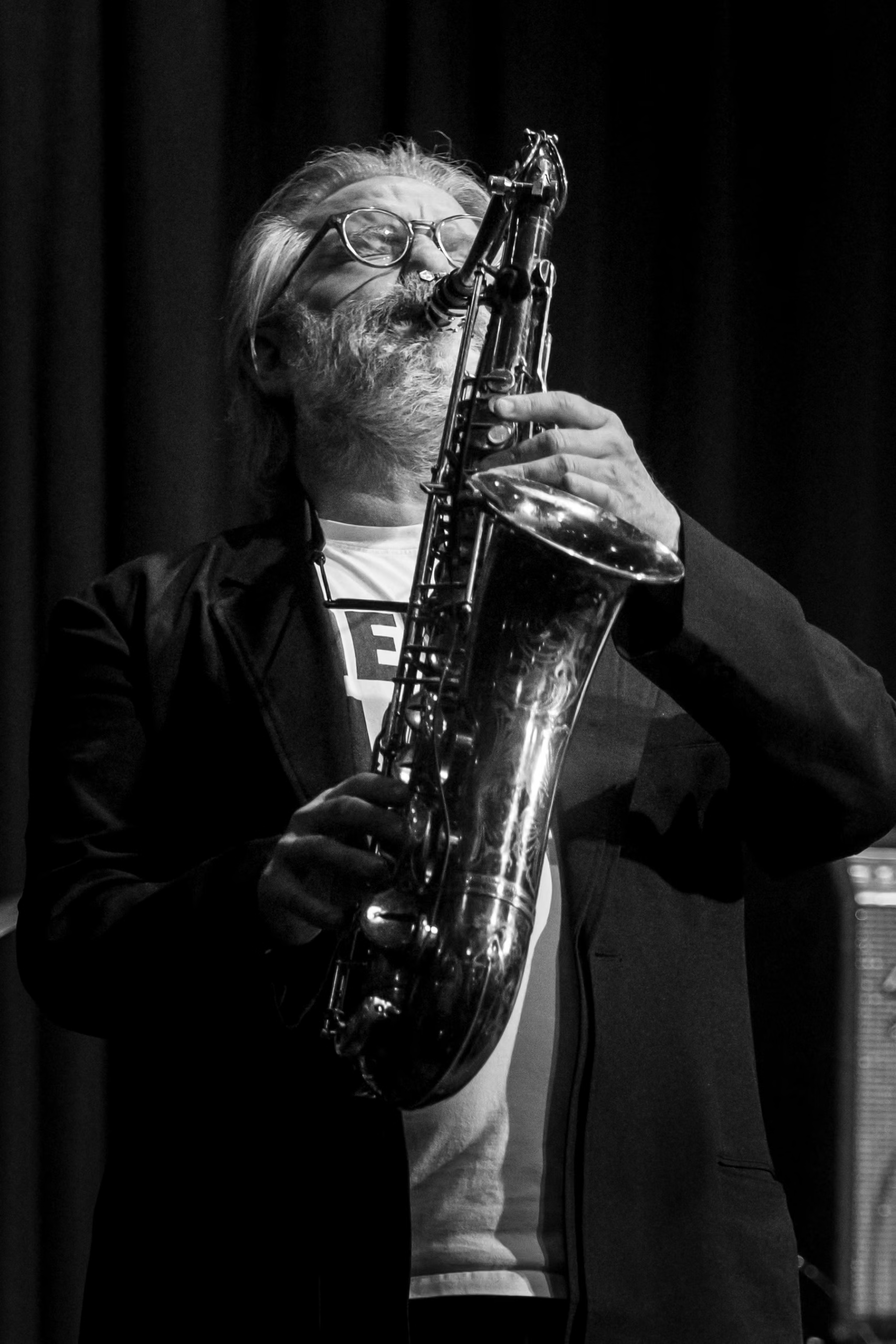
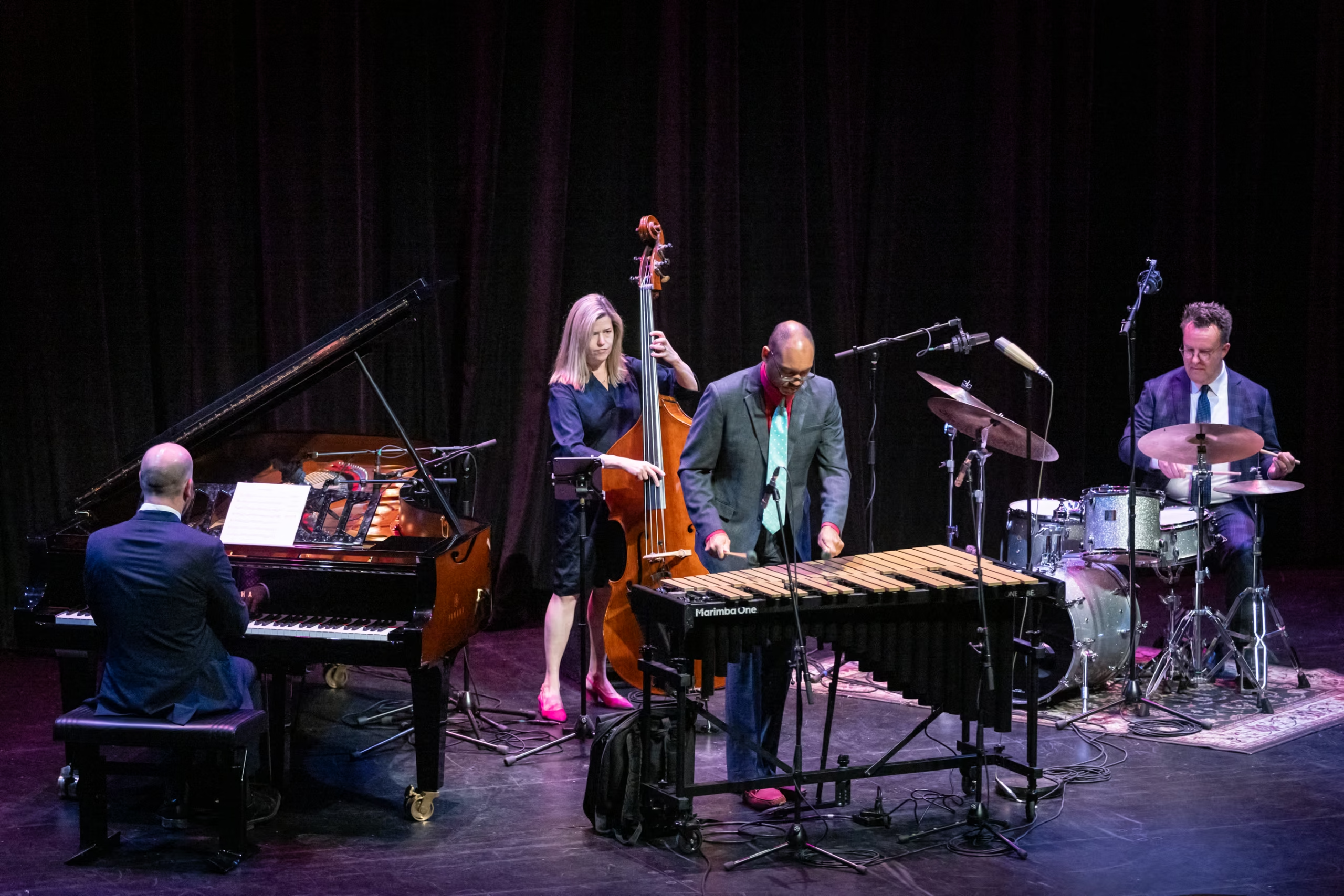
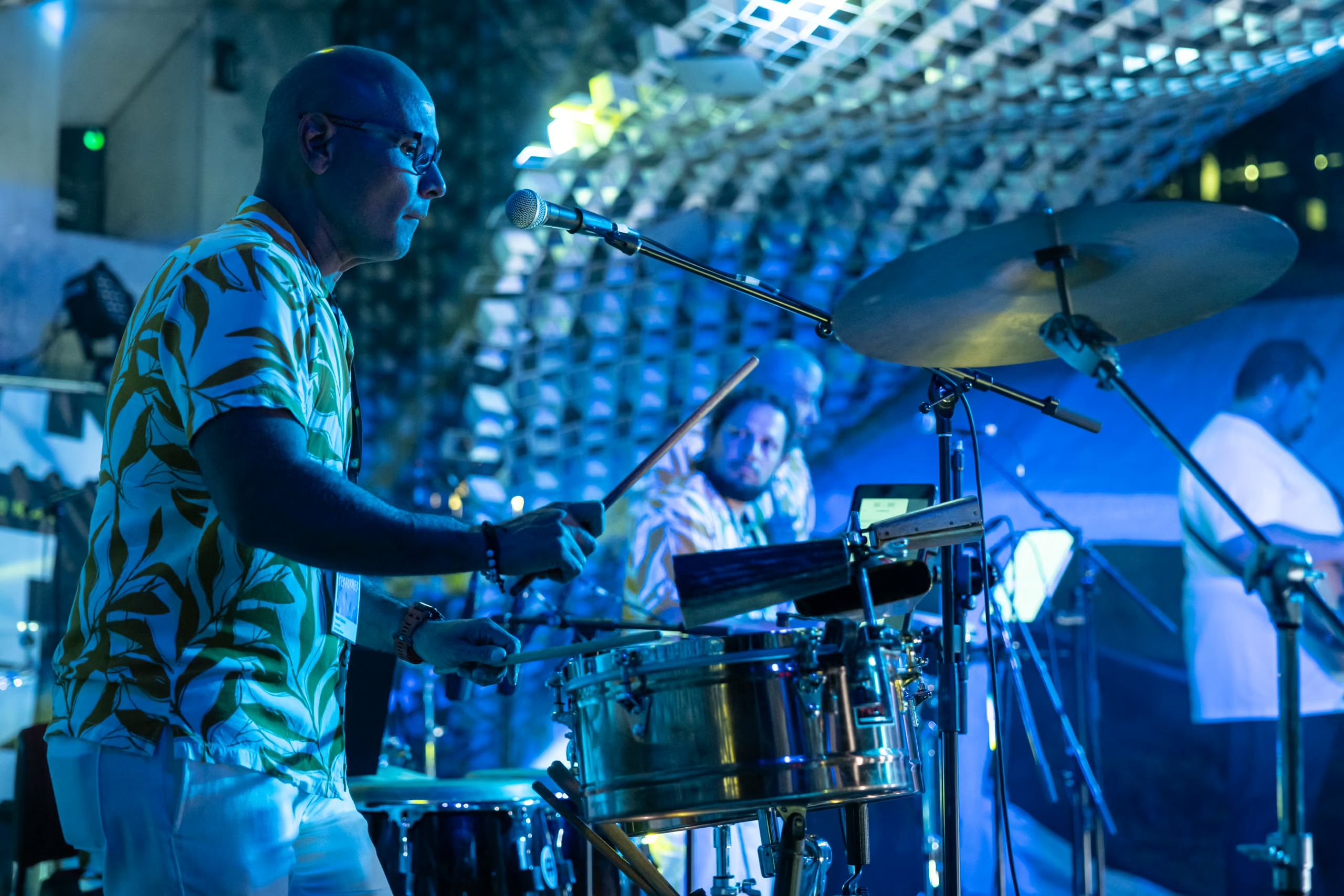
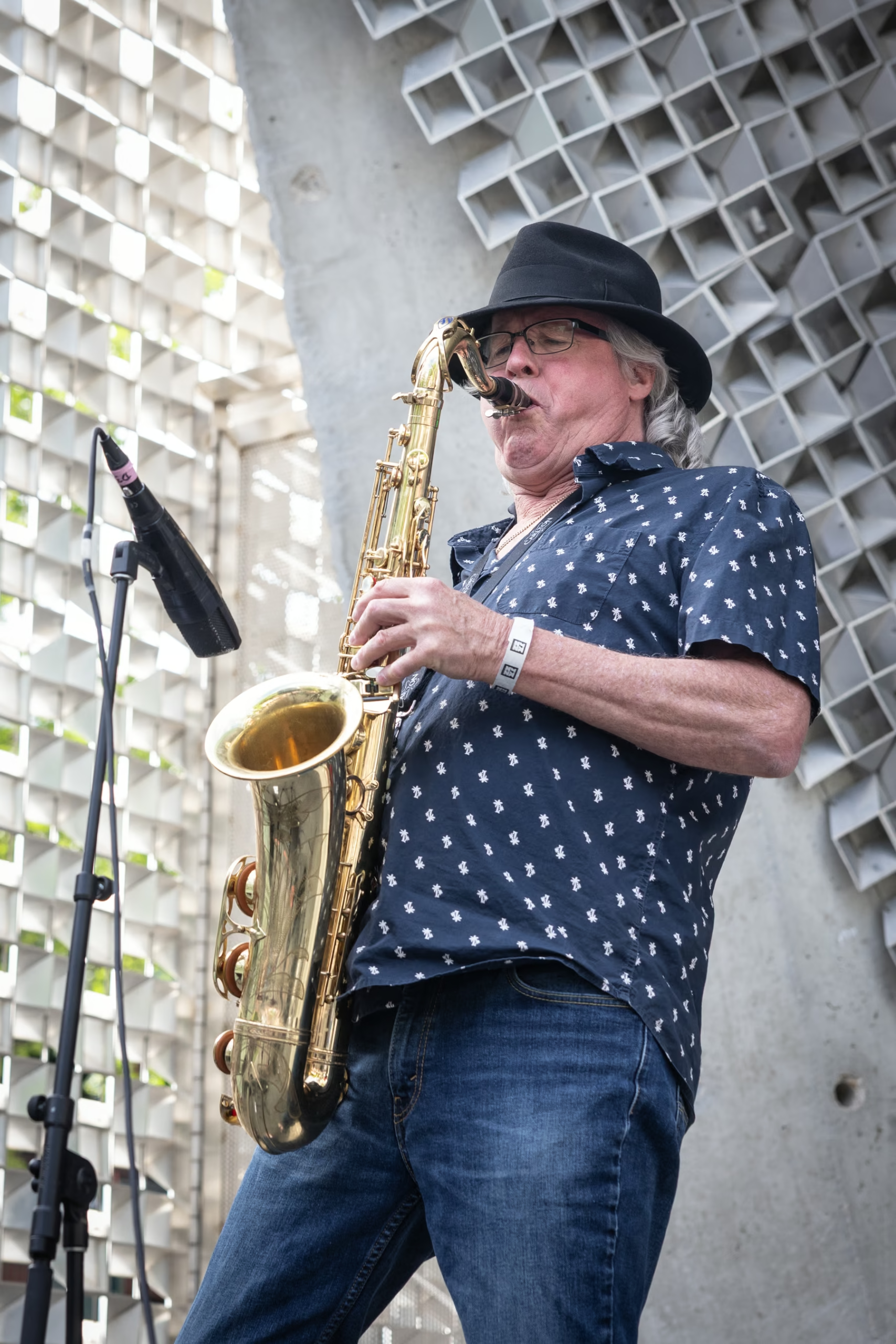
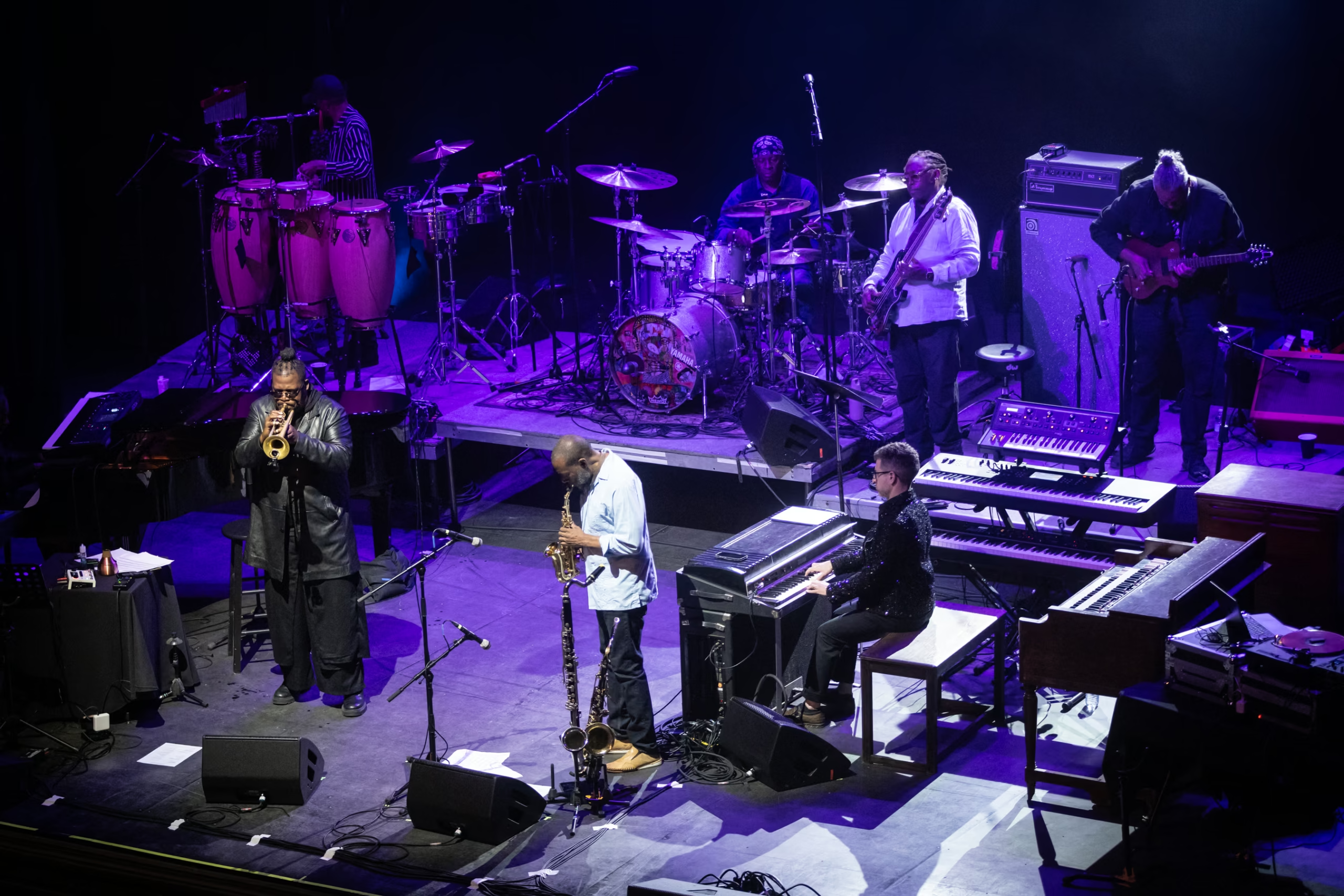
One standout came from Branford Marsalis, whose quartet demonstrated the extraordinary communication that develops among musicians who have spent years performing together. The group’s performance was filled with extended improvisation, unexpected turns, and moments where each member stepped into the spotlight before seamlessly returning to the ensemble. It was challenging, exciting, and deeply rewarding for listeners willing to follow every musical conversation unfolding on stage.
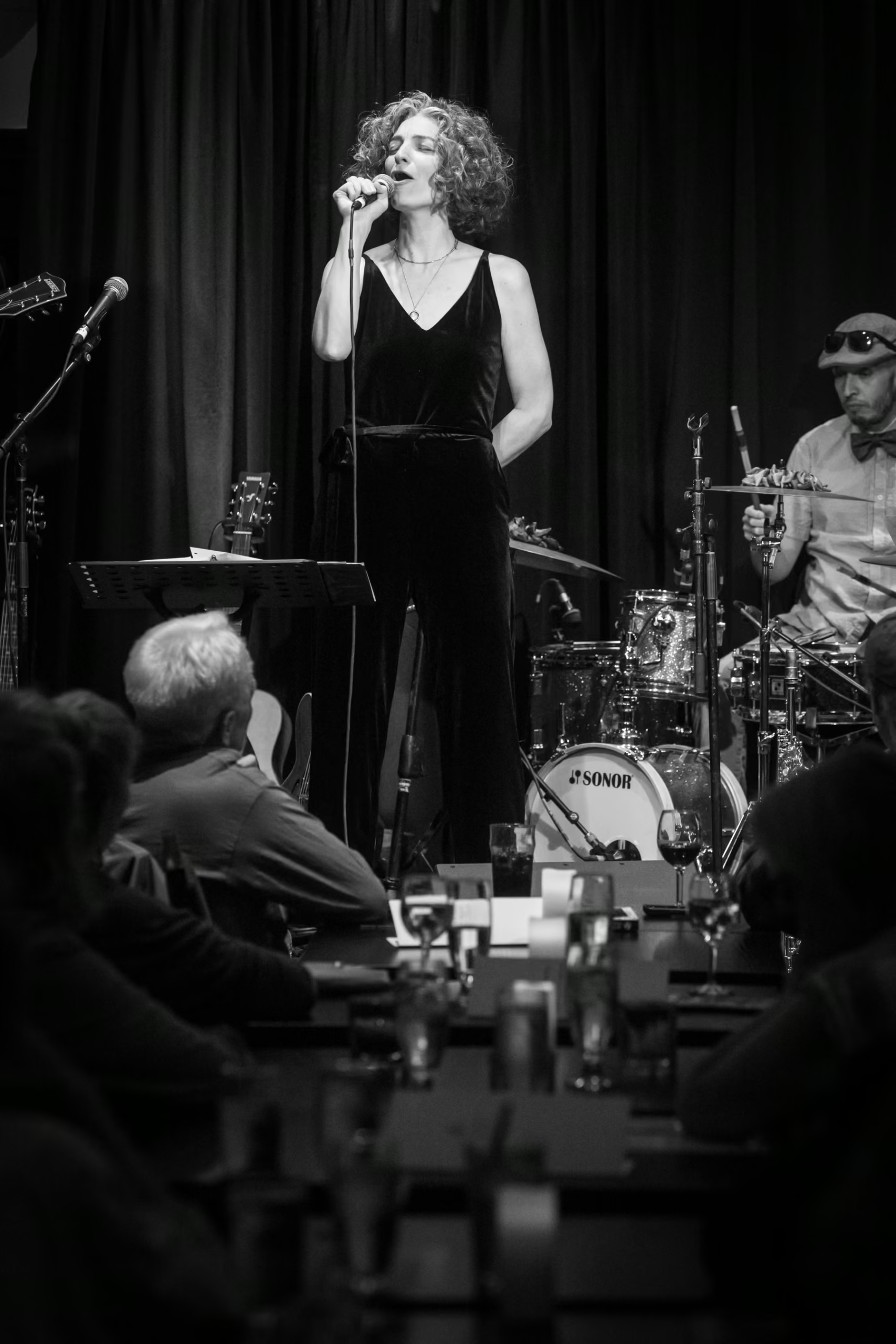
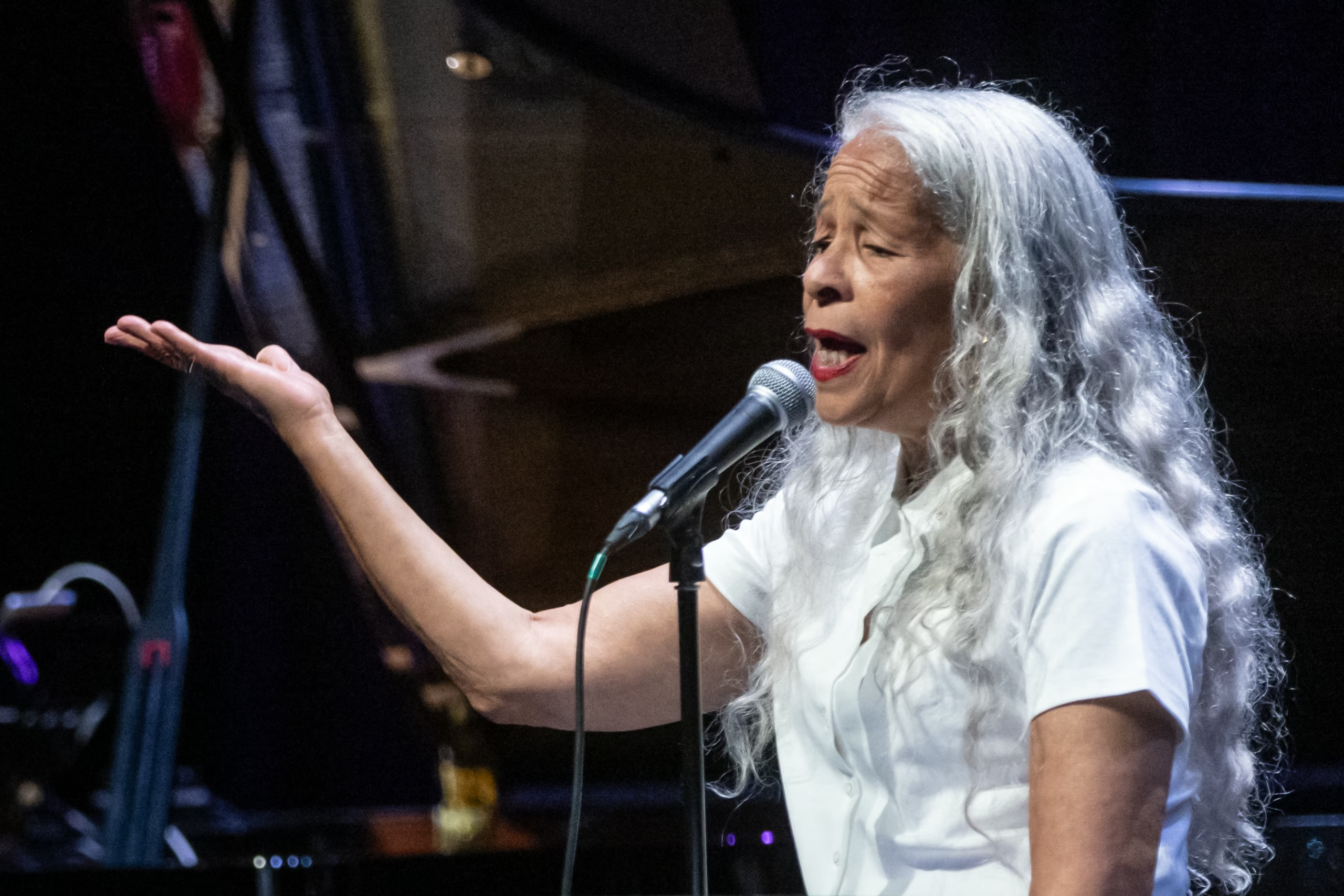
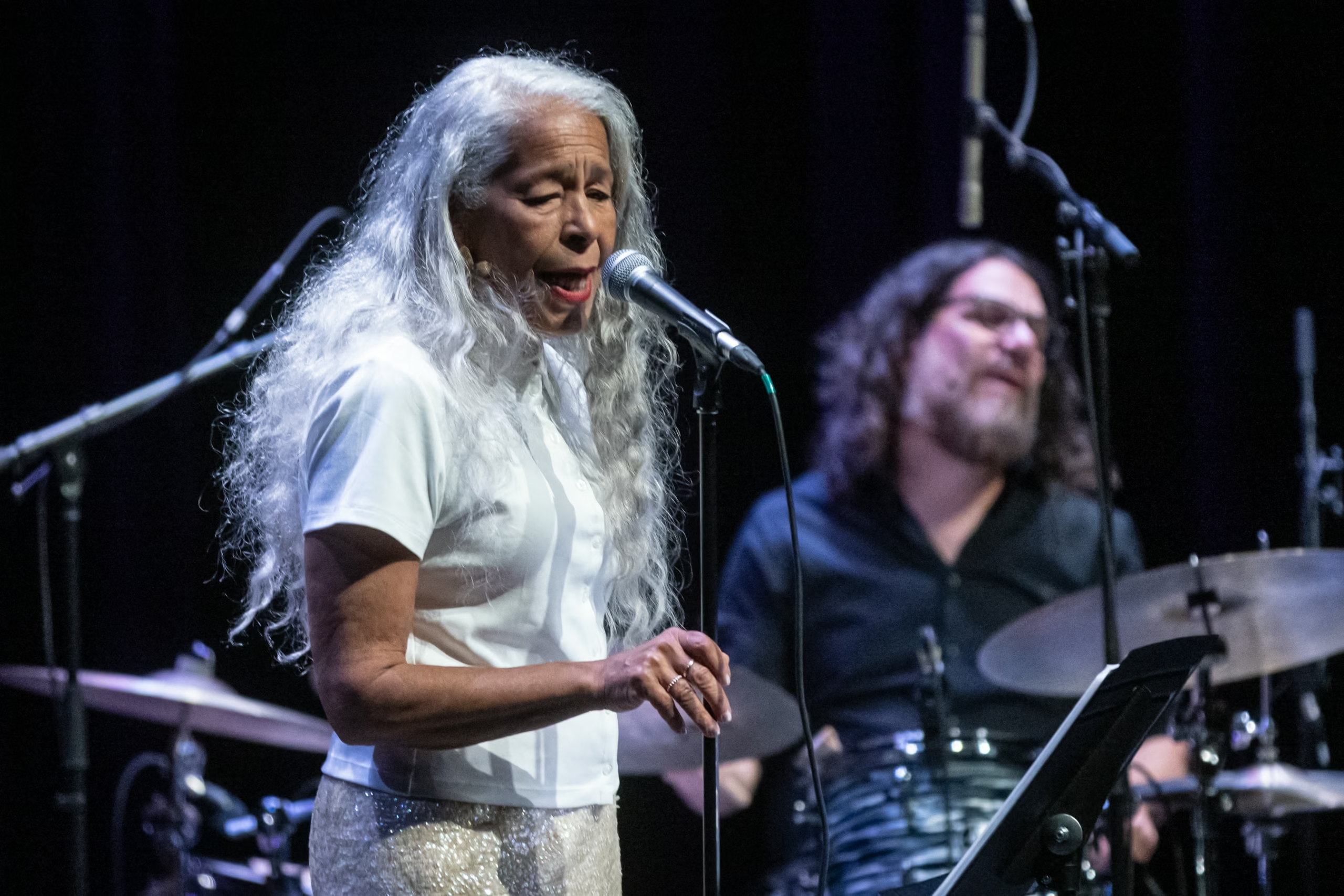
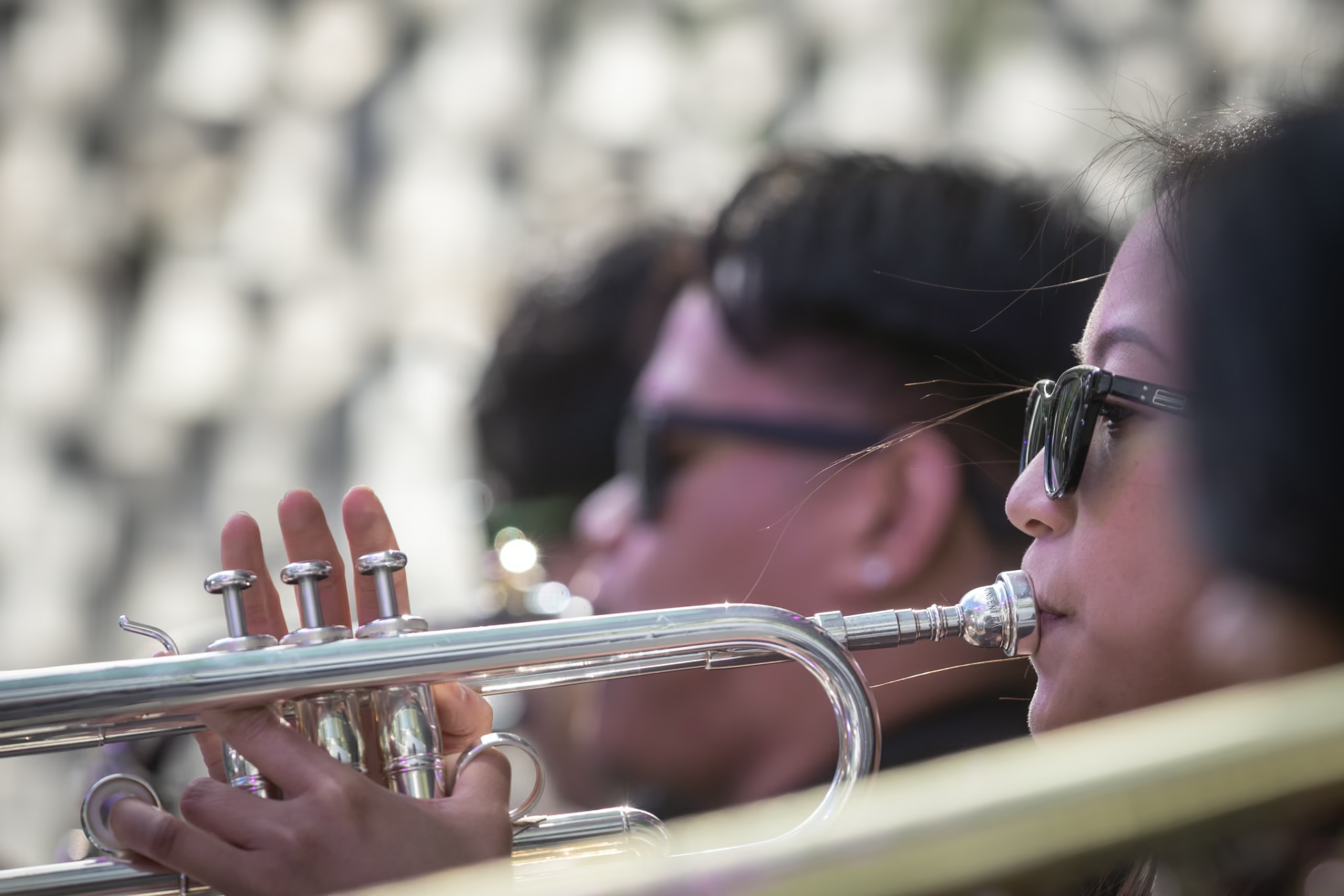
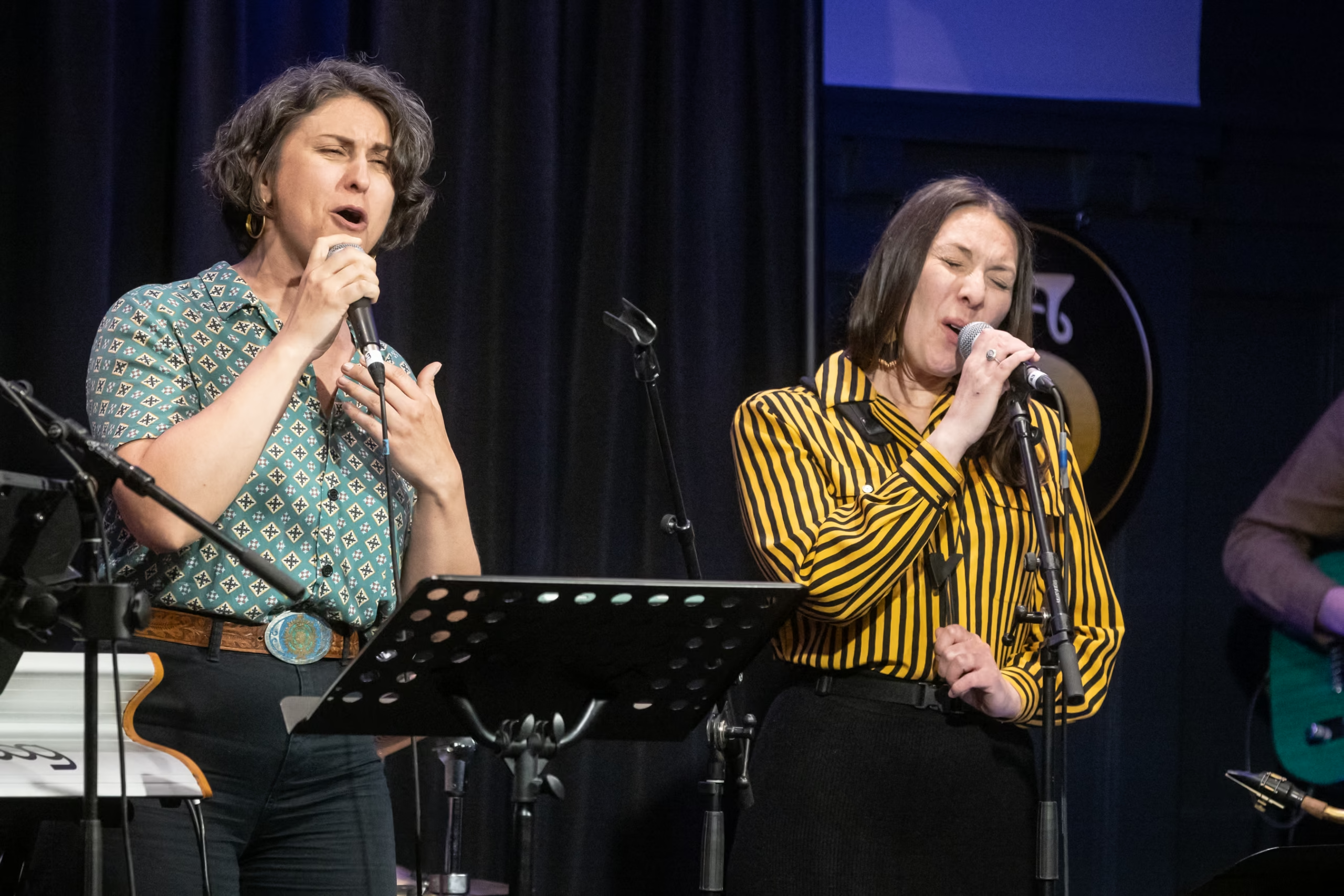
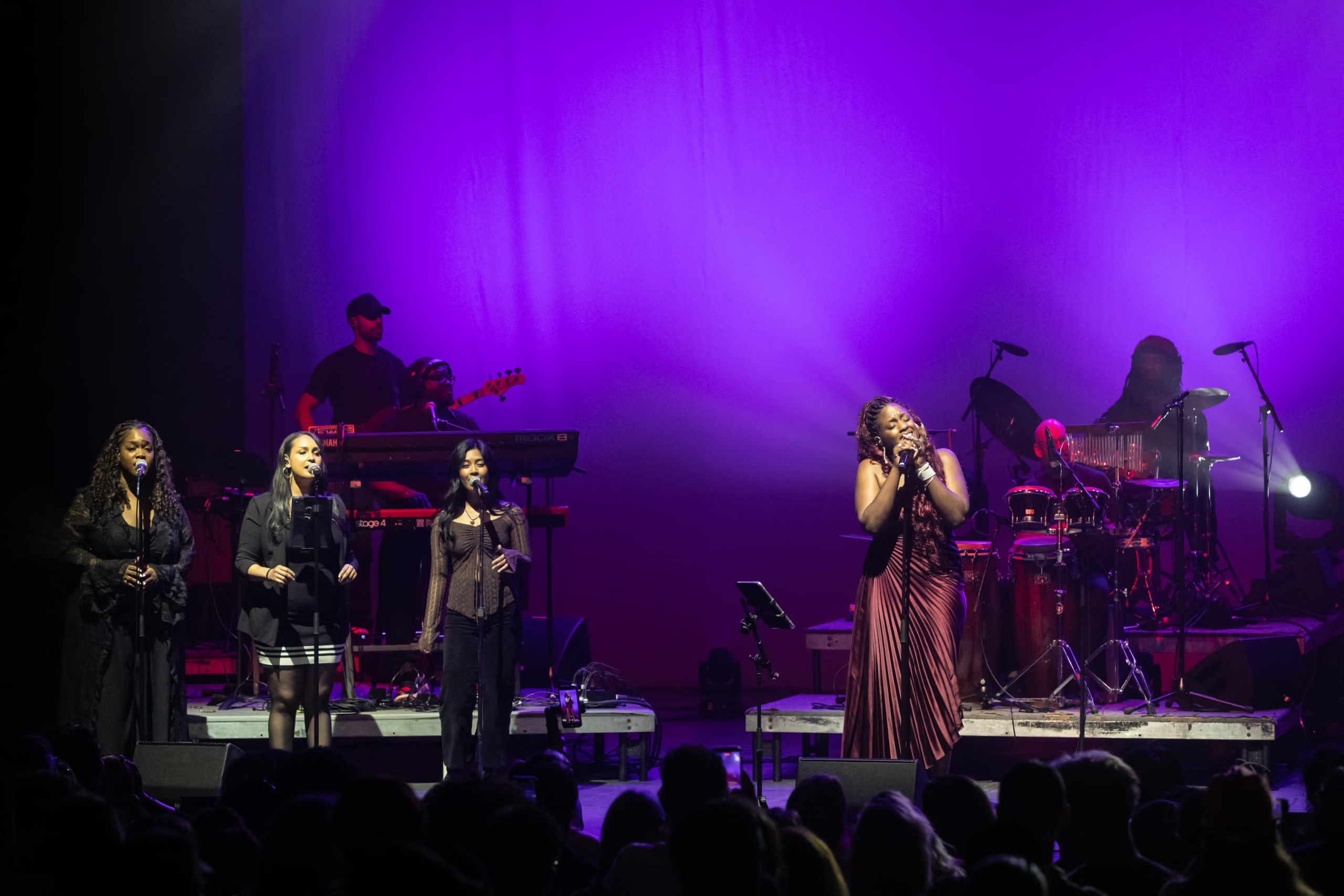
Canadian artists remained at the heart of the festival. Molly Johnson delivered one of the weekend’s most warmly received performances, effortlessly connecting with the audience through her engaging stage presence. Her combination of humour, storytelling, and expressive vocals made the performance feel personal, as though everyone in attendance had been invited into an intimate conversation despite the size of the crowd. The festival also showcased the incredible depth of Manitoba’s own musical community. Local artists consistently demonstrated why Winnipeg has earned its reputation as one of Canada’s most vibrant music cities. Whether appearing in afternoon showcases, evening concerts, or collaborative performances, Manitoba musicians held their own alongside internationally recognized names, often producing some of the festival’s most memorable moments.
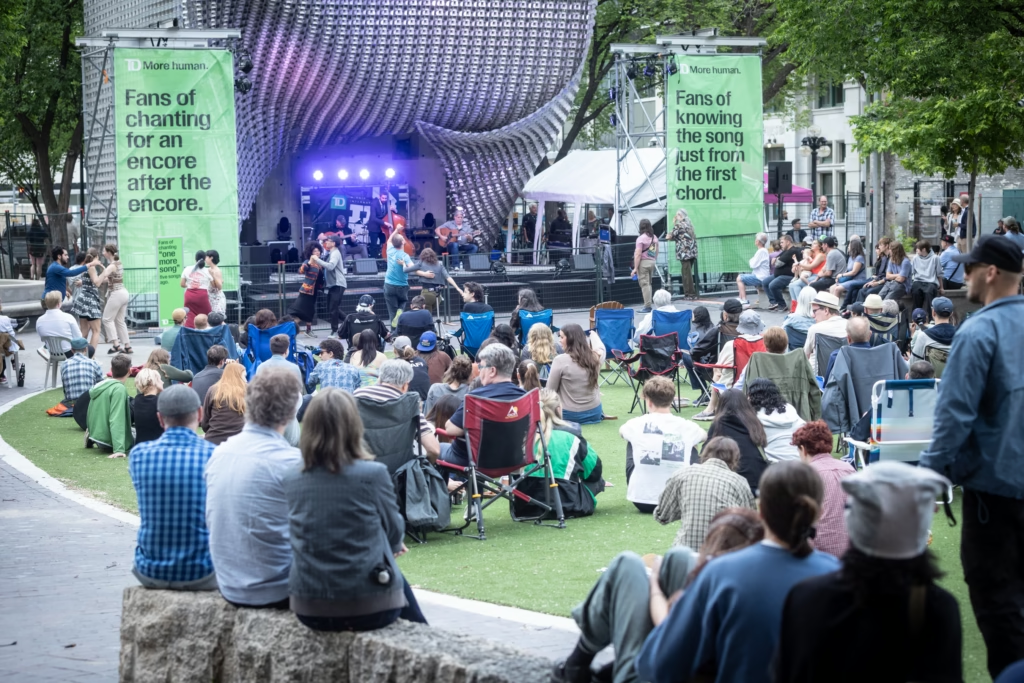
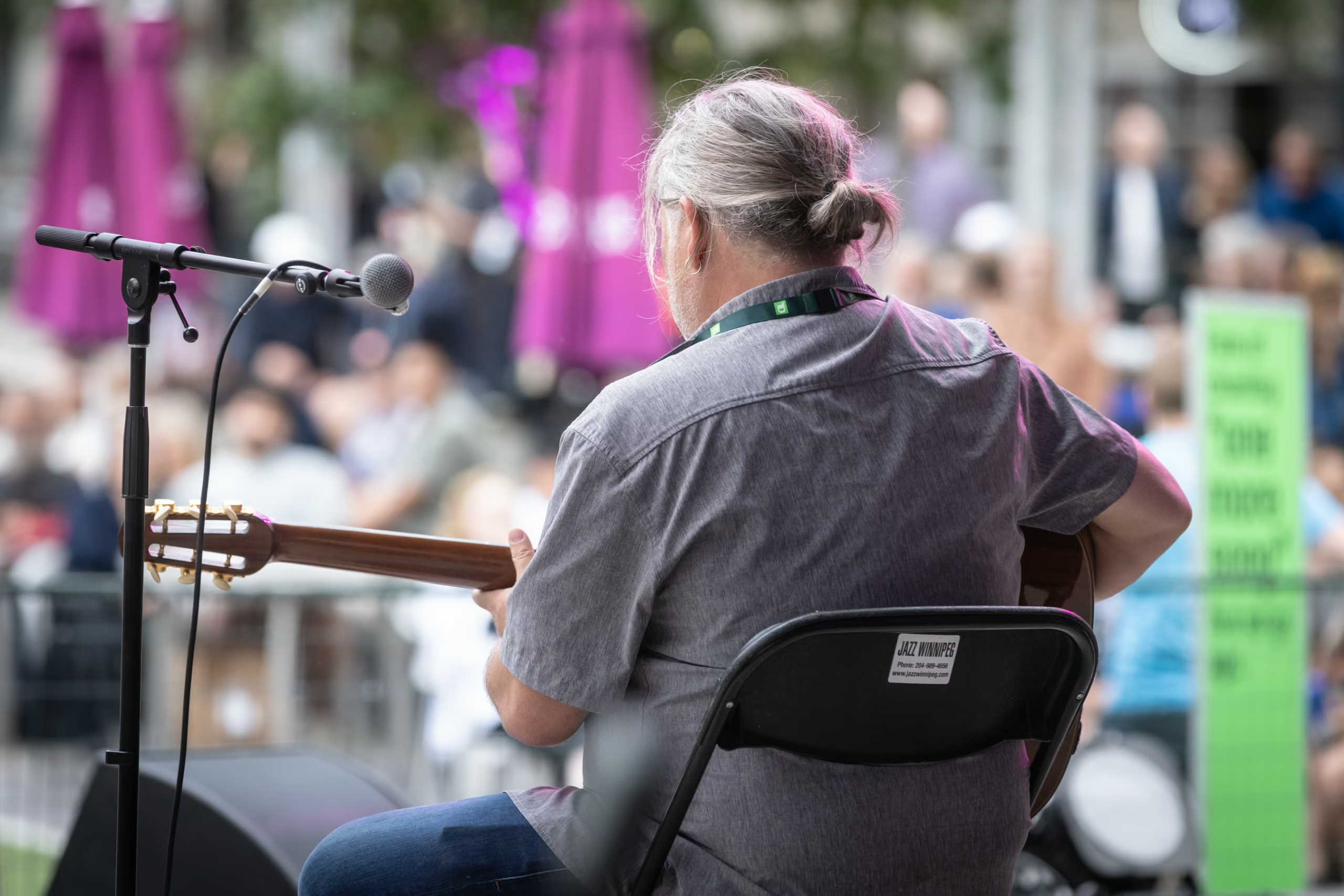
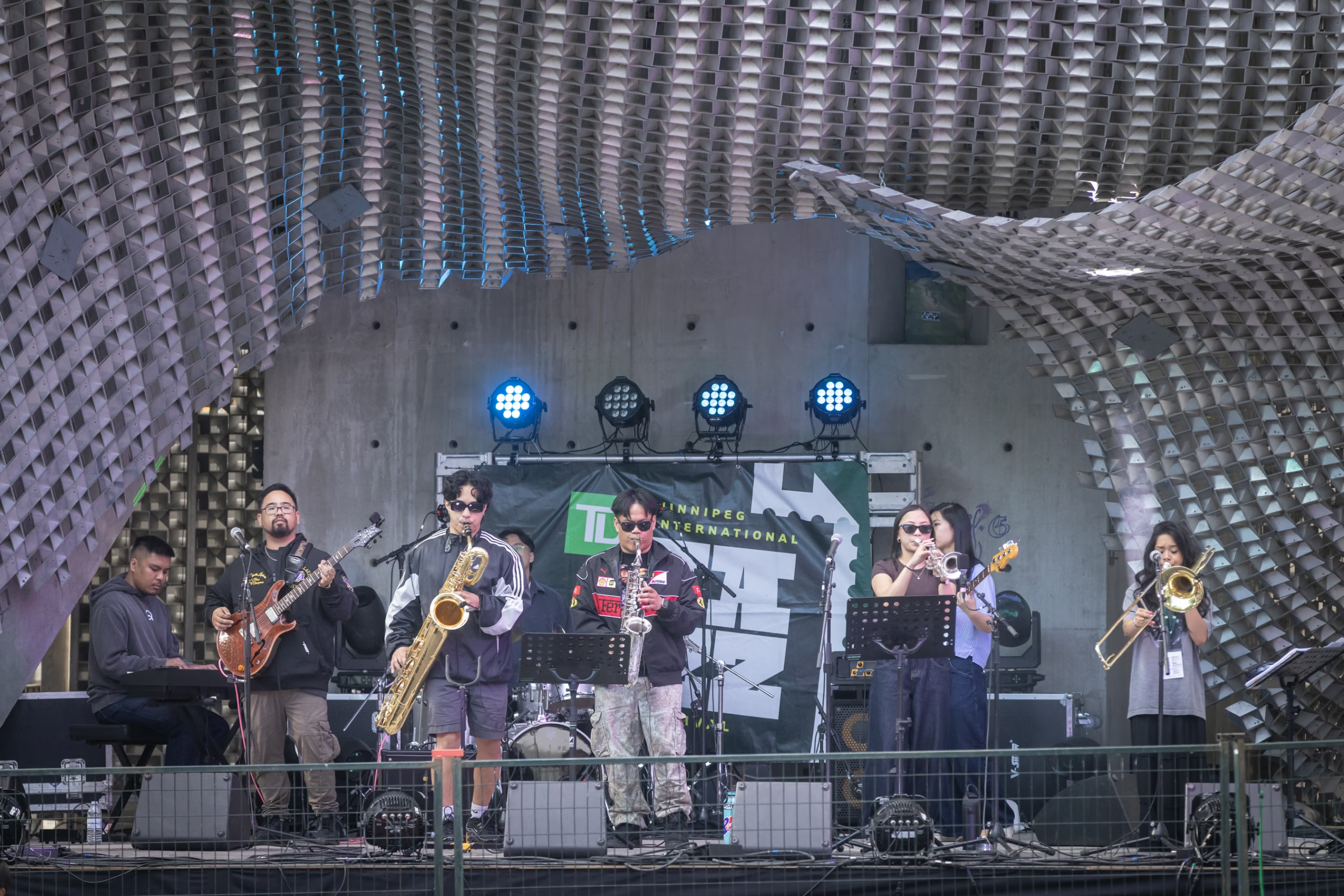
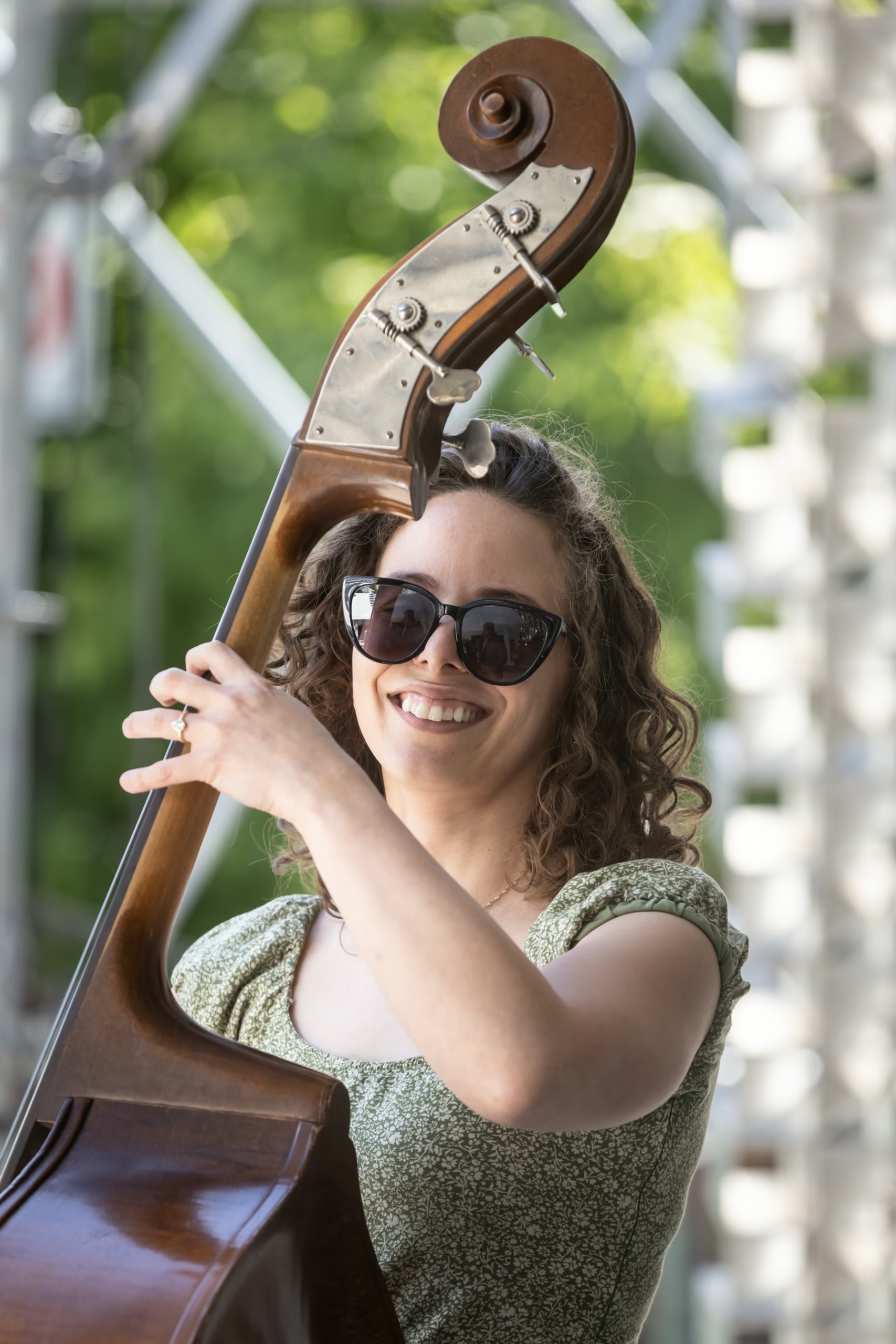
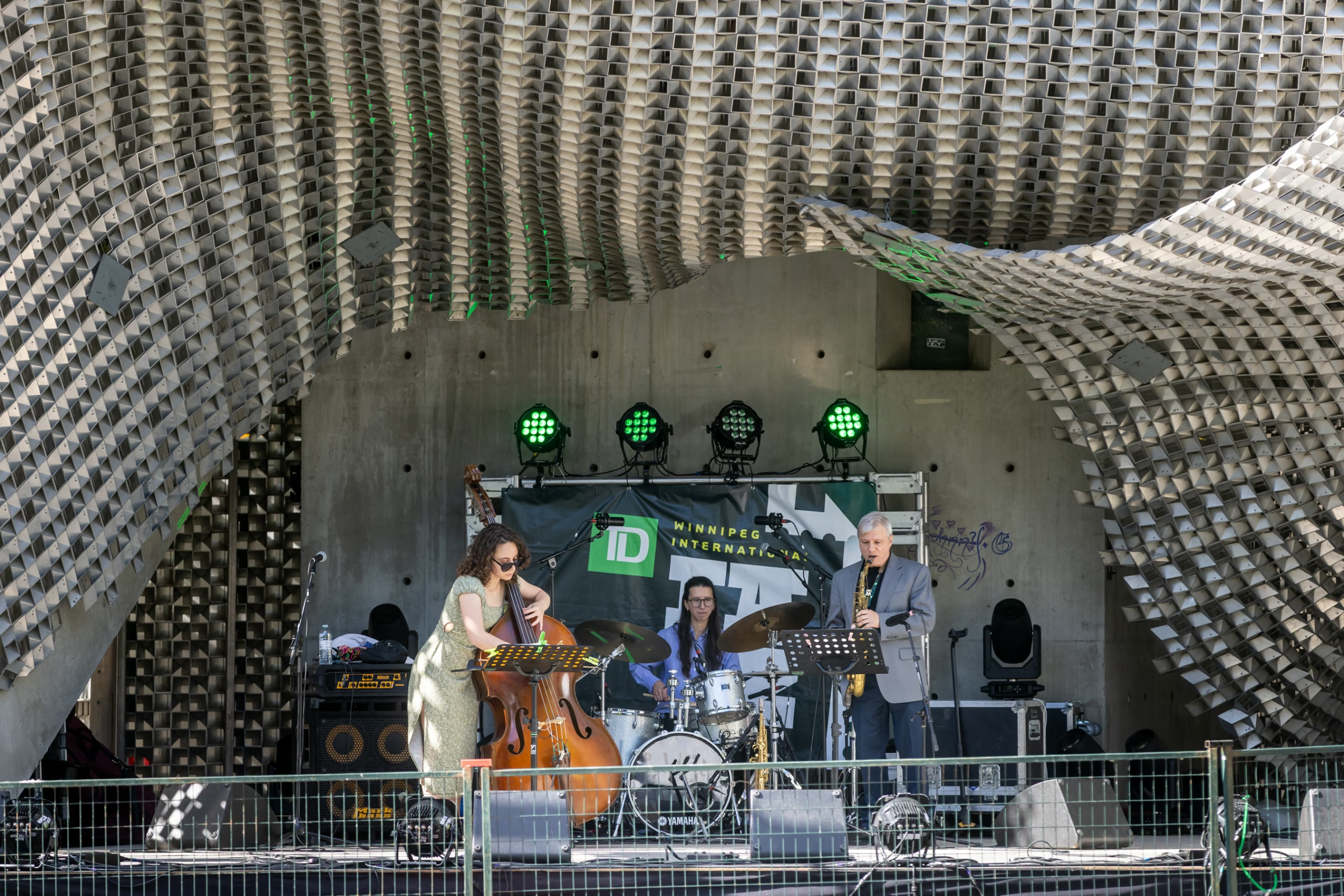
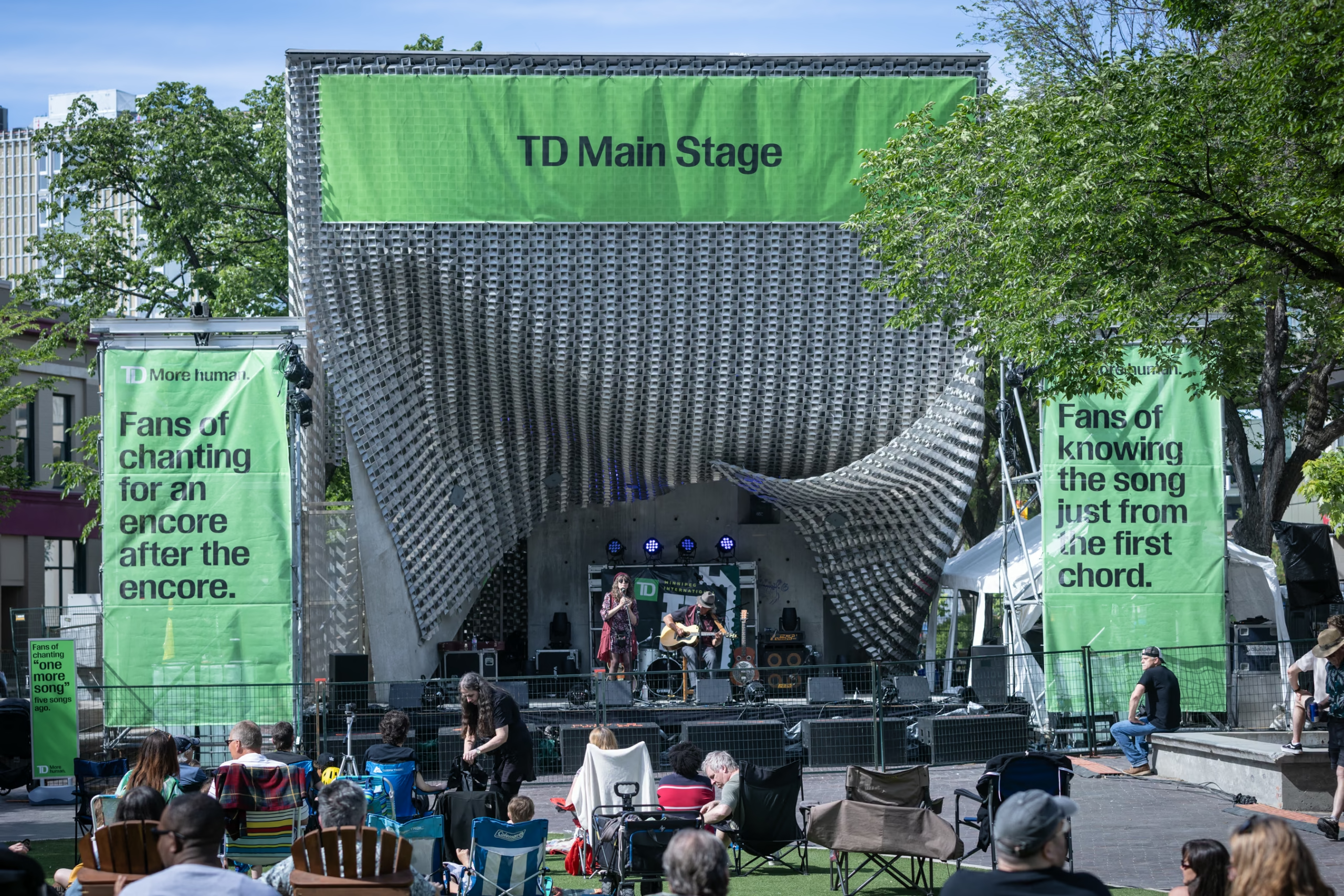
Old Market Square once again served as the heart of the celebration. The free concerts continued to be one of the festival’s defining features, drawing thousands of people who gathered with lawn chairs, picnic blankets, and food from nearby vendors. Children danced near the stage while longtime jazz fans compared notes between performances. Office workers wandered over after work, tourists stumbled upon performances by accident, and everyone shared the same welcoming space. Those free performances highlighted one of the festival’s greatest achievements over the past 35 years: making world-class music accessible. Not every audience member attending Old Market Square arrived as a dedicated jazz fan, but many left having discovered an artist they otherwise may never have encountered. That sense of discovery remains one of the festival’s greatest contributions to Winnipeg’s cultural life.
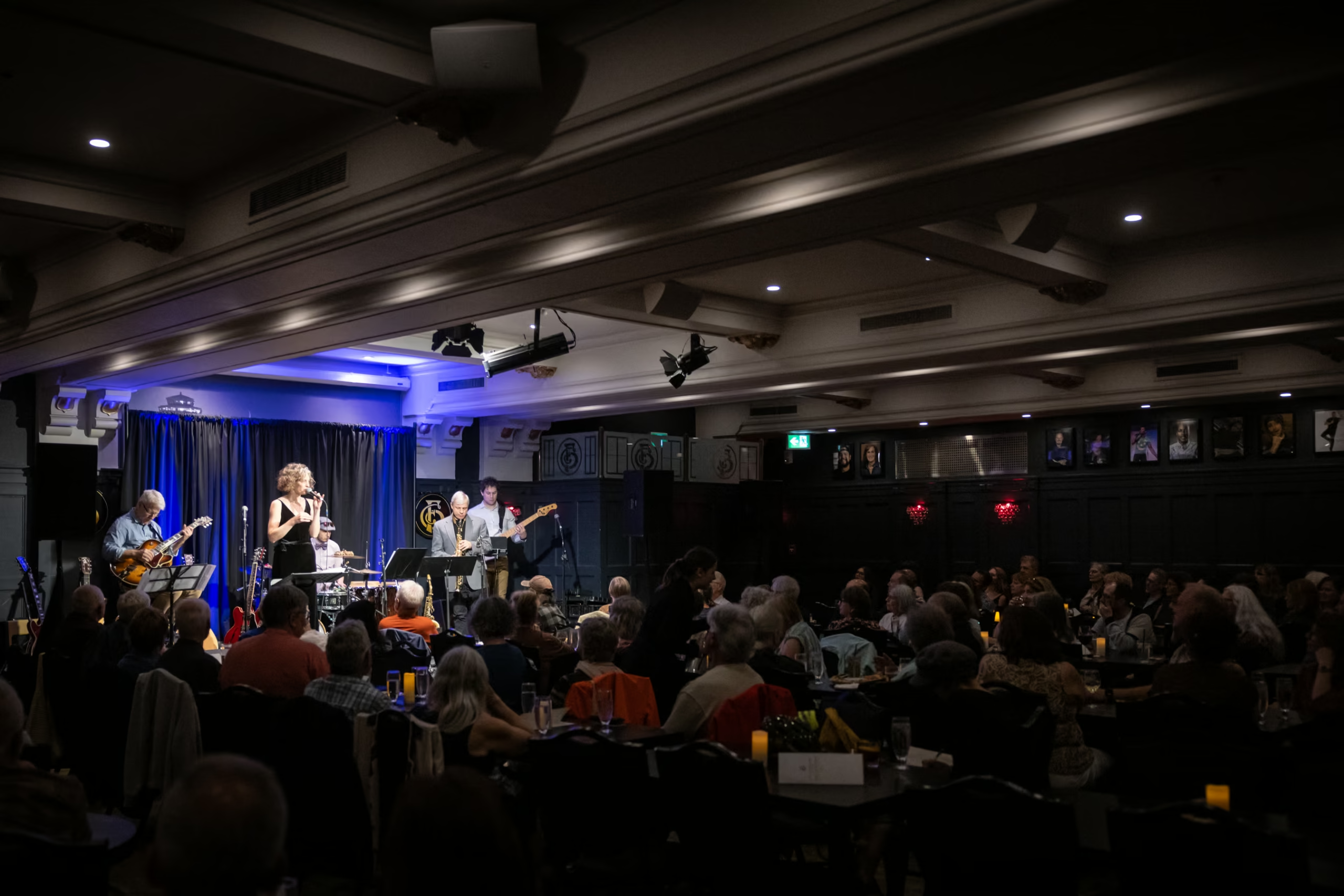
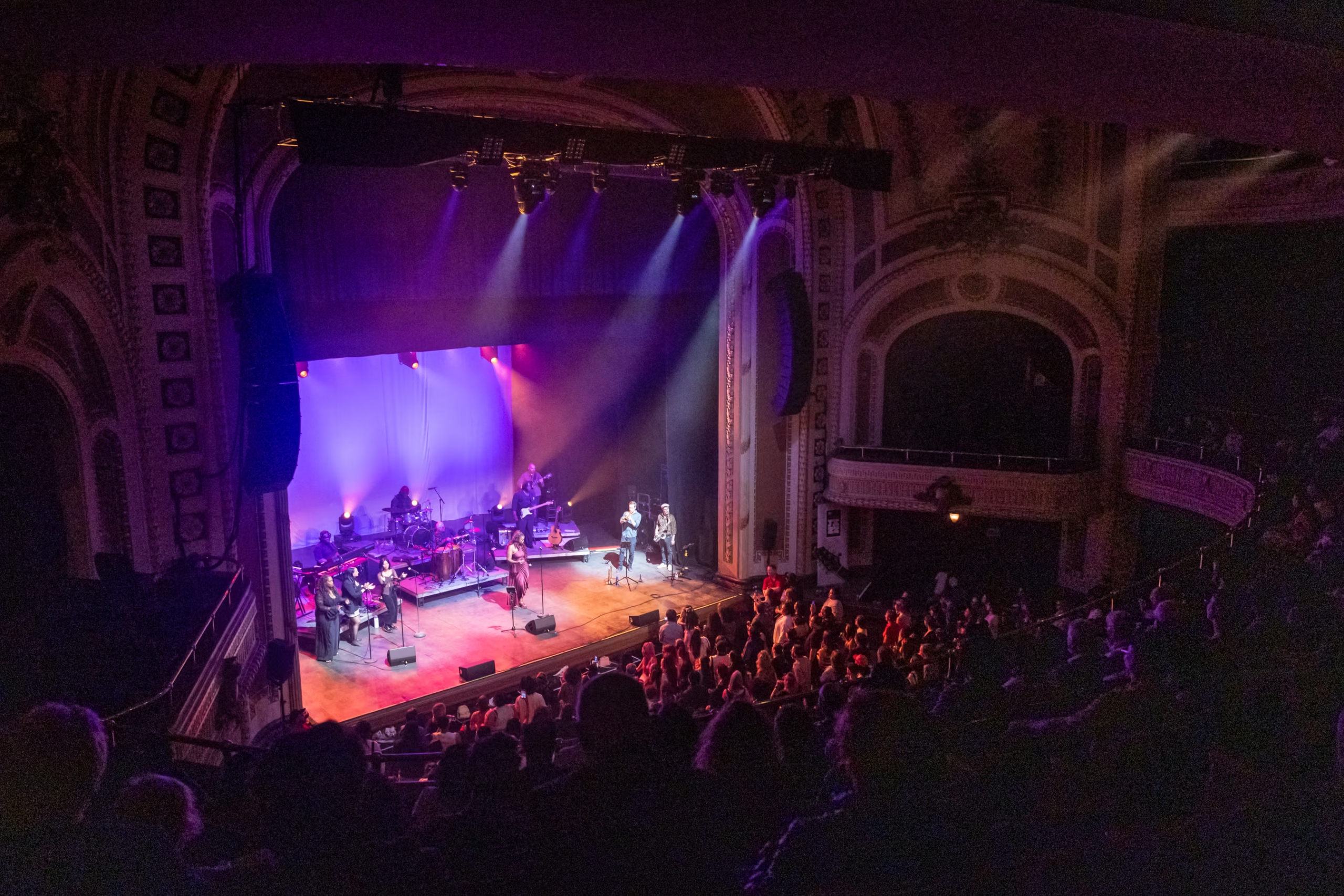
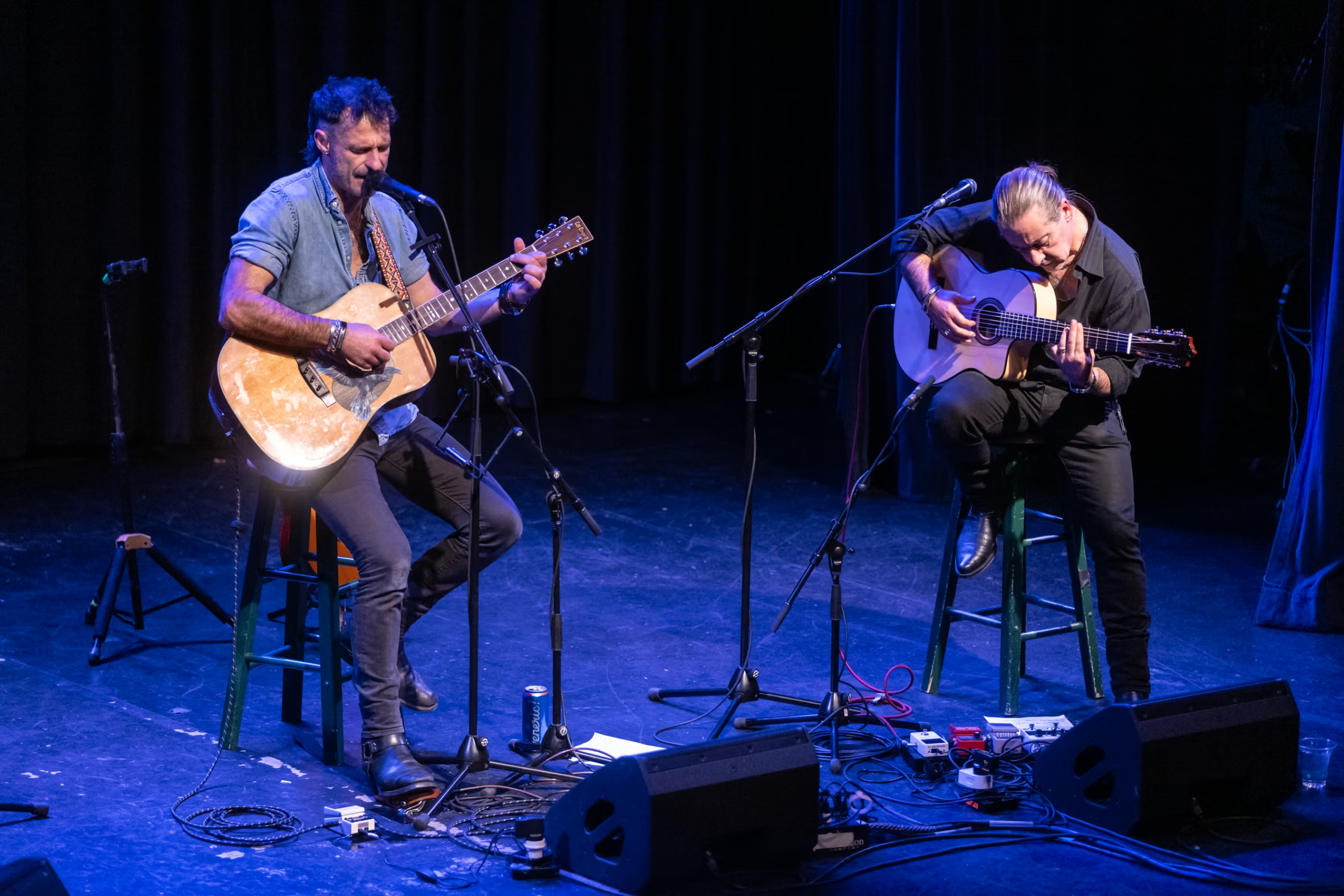
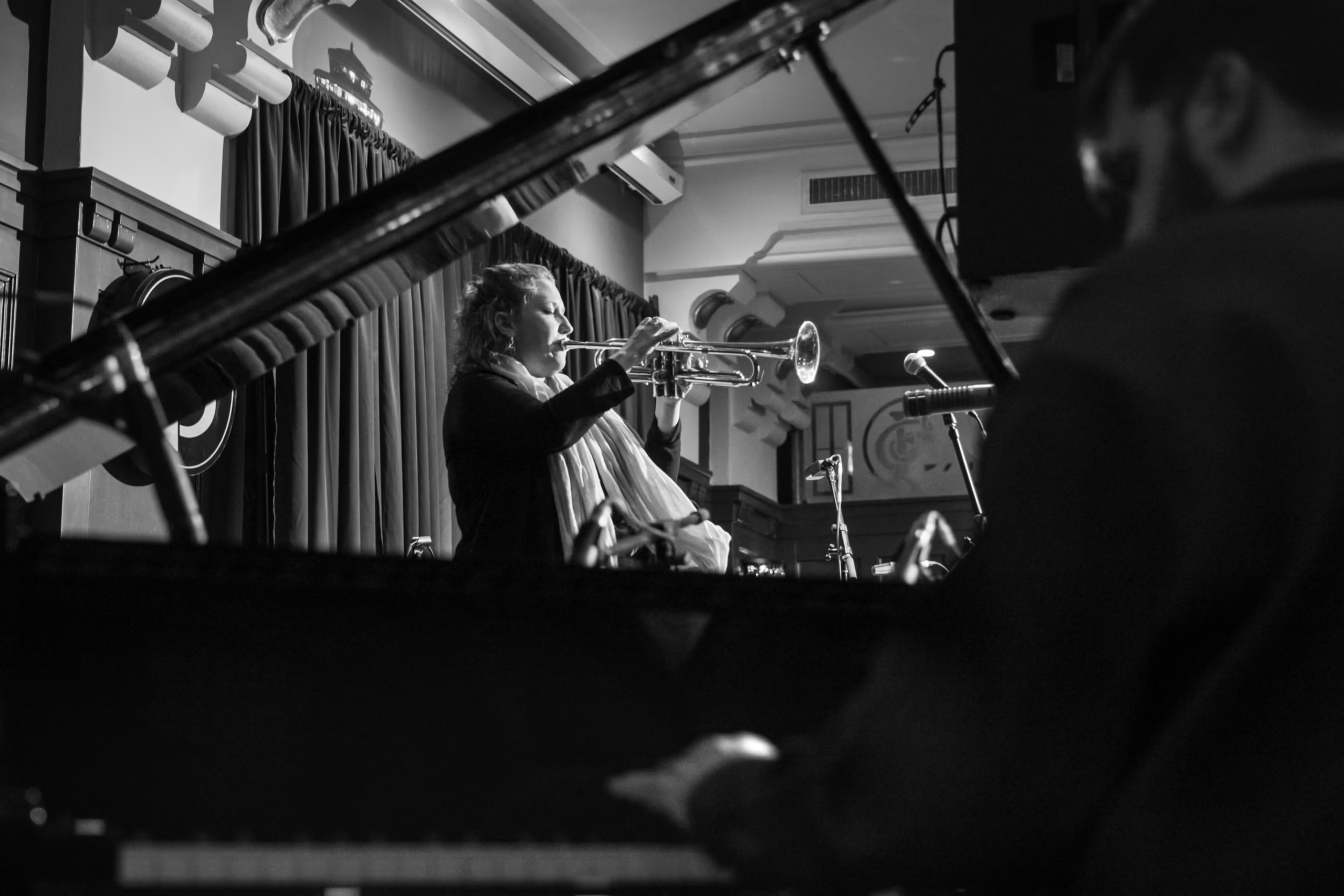
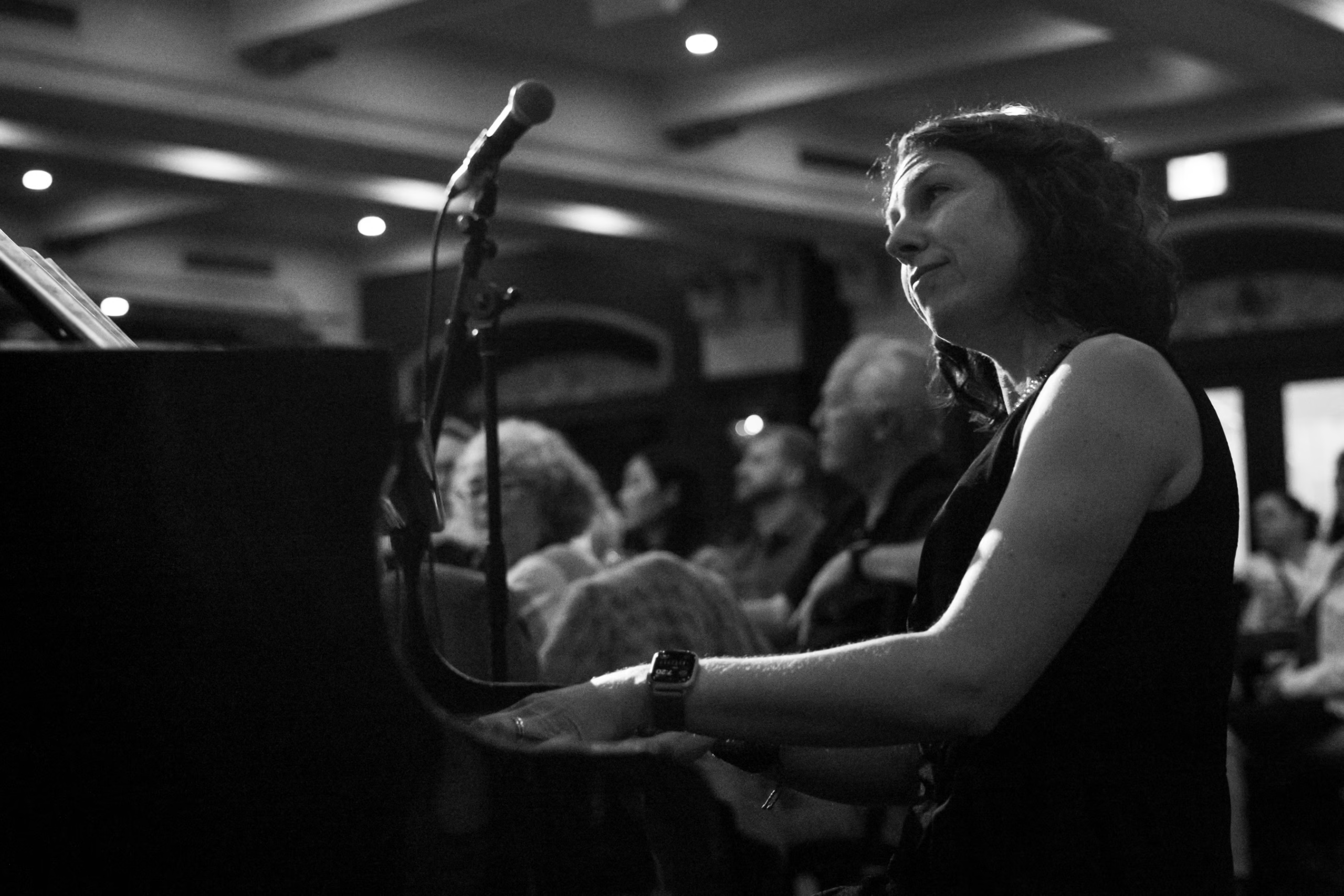
The Exchange District itself deserves recognition as an essential part of the experience. Few festival settings complement jazz as naturally as the historic streets surrounding Old Market Square. Beautiful heritage buildings, independent restaurants, cafés, galleries, and patios created an atmosphere that encouraged visitors to spend entire days downtown. Between scheduled performances, audiences wandered from venue to venue, stopping for meals or conversations before heading to the next show. The indoor venues offered entirely different experiences. Burton Cummings Theatre provided an elegant setting for larger productions, while more intimate spaces allowed audiences to appreciate subtle musical details that can sometimes be lost in bigger environments. Each venue contributed its own personality to the overall festival, ensuring no two concerts felt exactly alike.
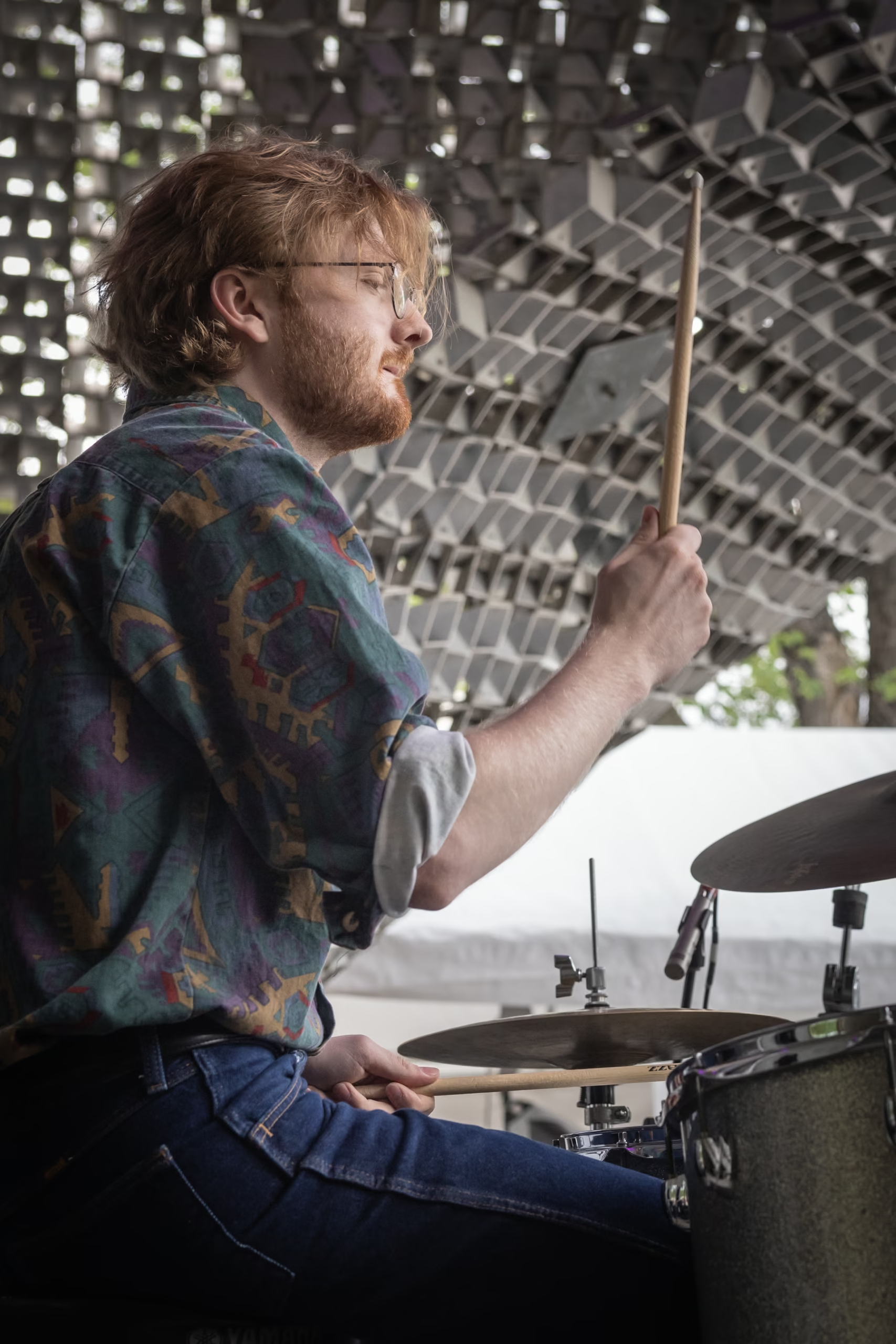
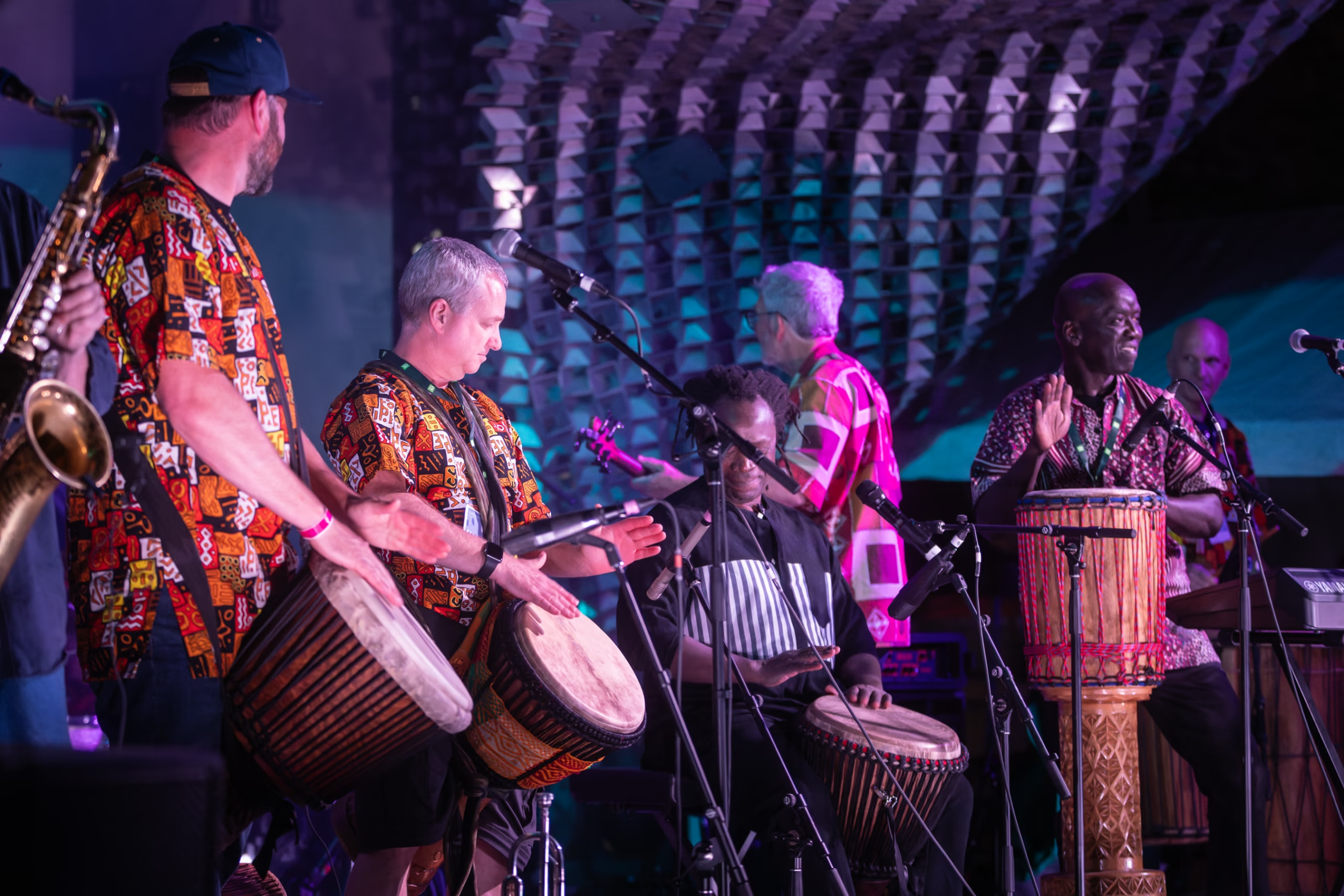
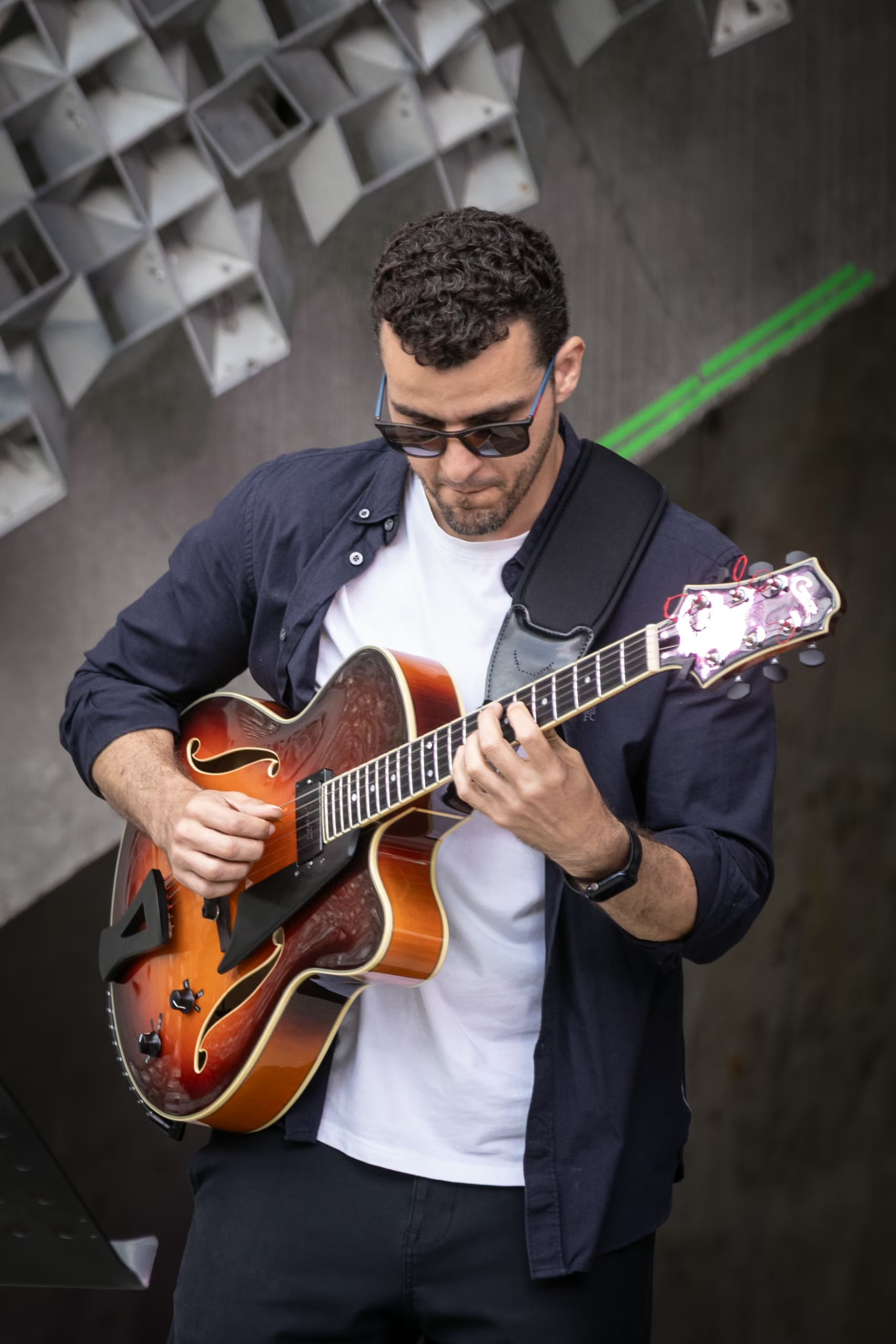
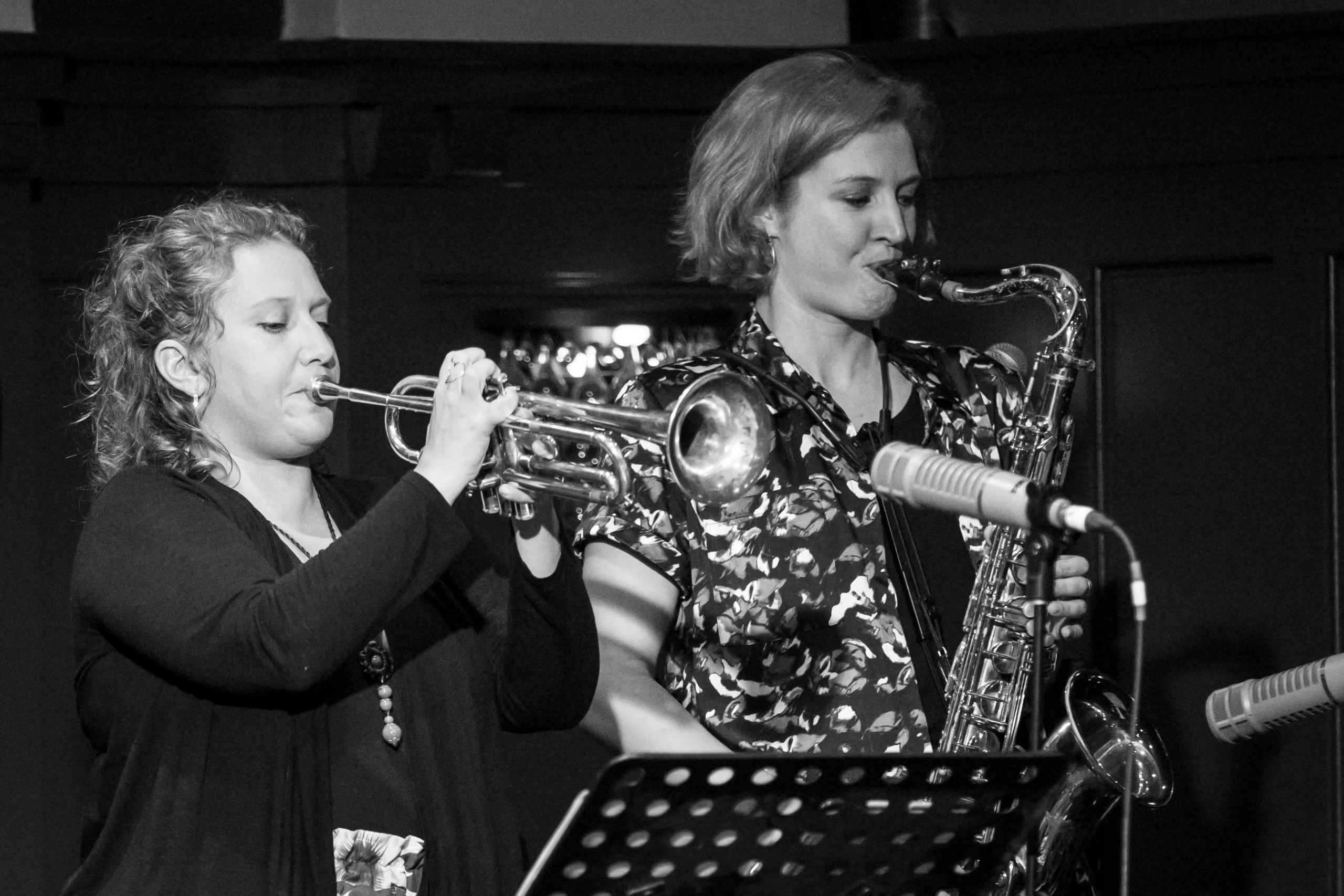
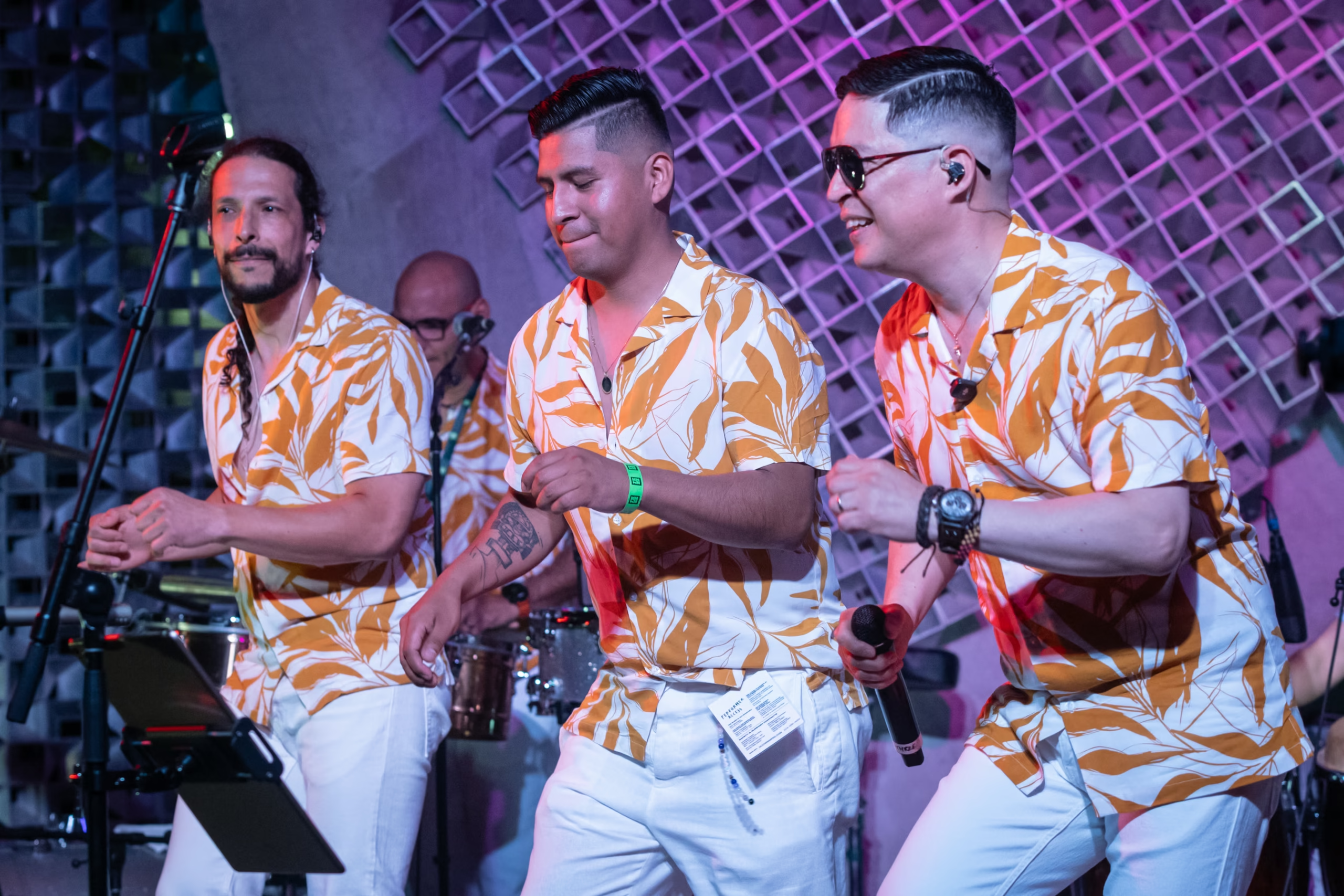
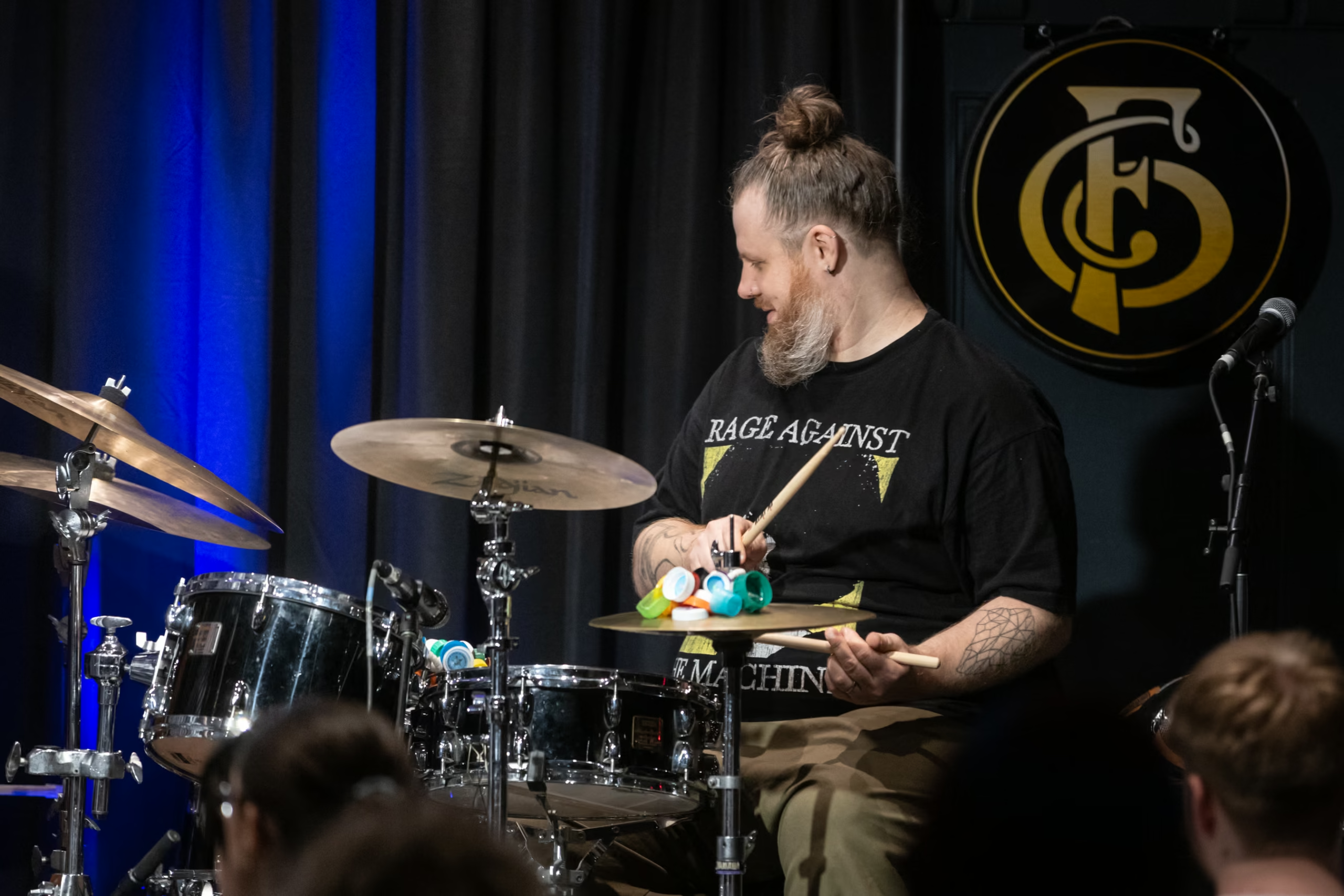
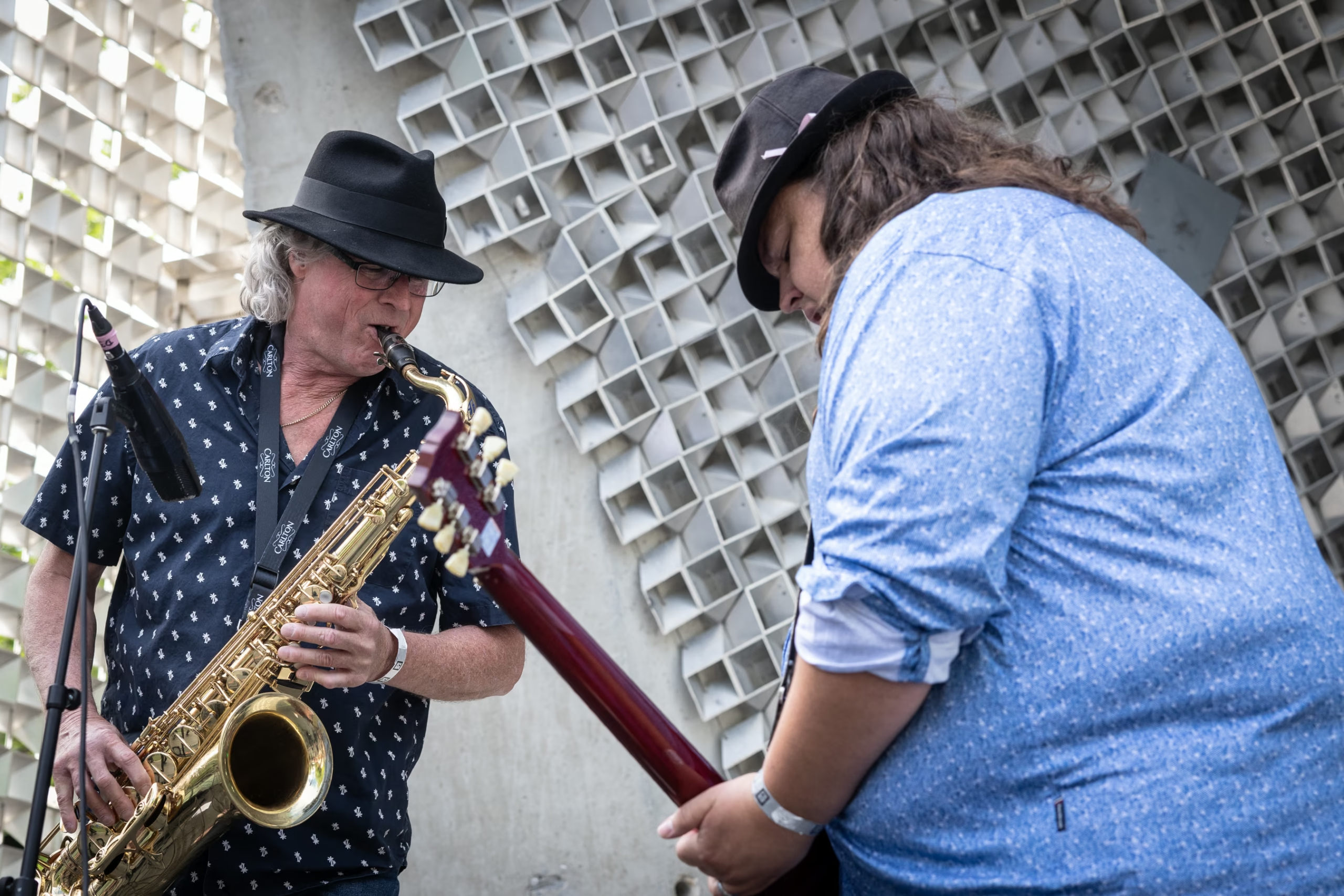
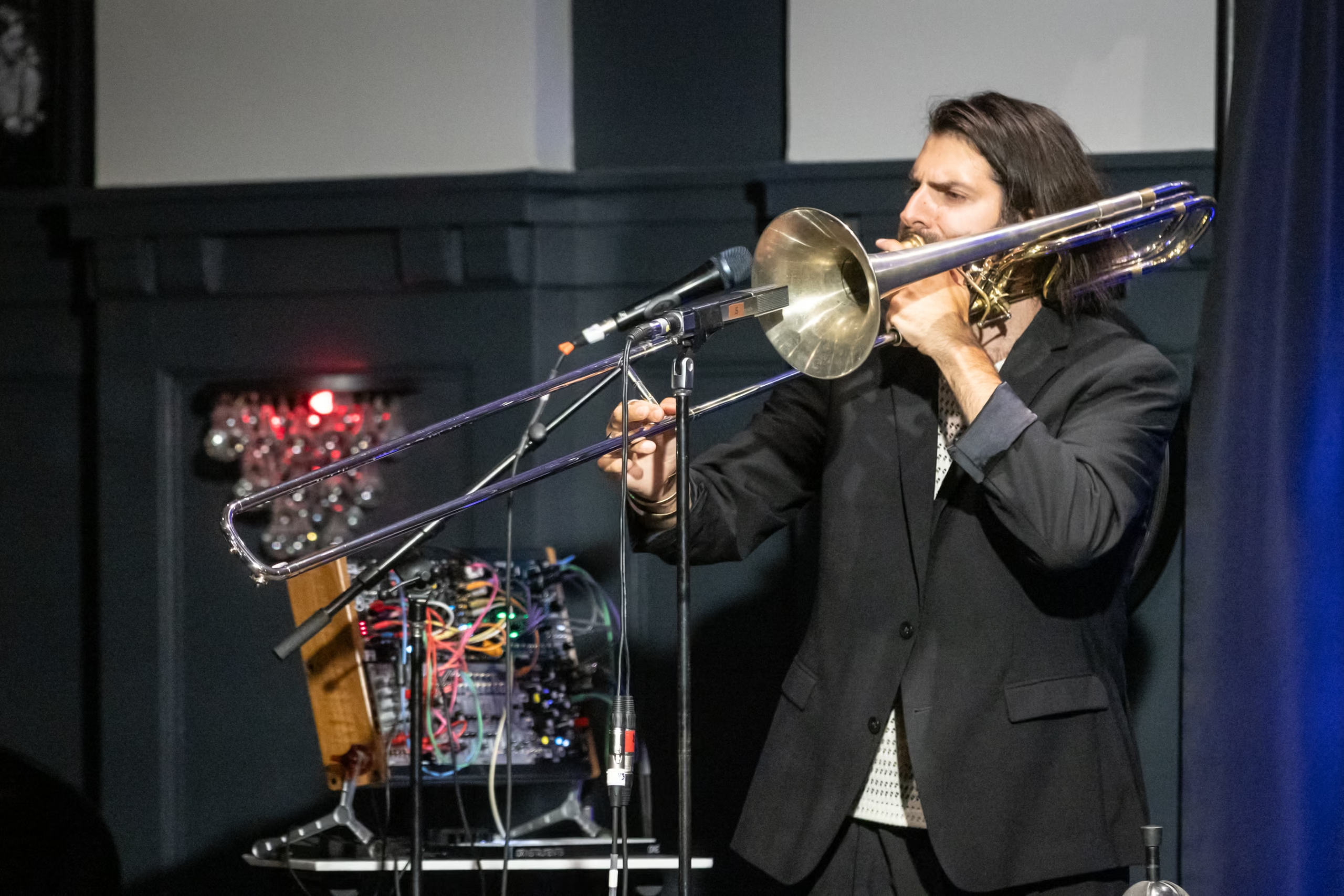
Beyond the headline performances, the festival’s smaller shows often delivered the biggest surprises. Some of the weekend’s strongest sets came from artists who may not yet have widespread recognition but demonstrated extraordinary musicianship and originality. Those performances reminded audiences why festivals remain such valuable places for musical discovery. Walking into an unfamiliar artist’s show with few expectations frequently resulted in finding a new favourite. International artists brought perspectives shaped by musical traditions from around the world. African rhythms blended with North American jazz vocabulary. Latin influences met contemporary improvisation. European experimental approaches shared stages with classic swing traditions. These combinations reflected jazz’s continuing evolution as a truly global art form rather than a genre confined by geography or tradition.
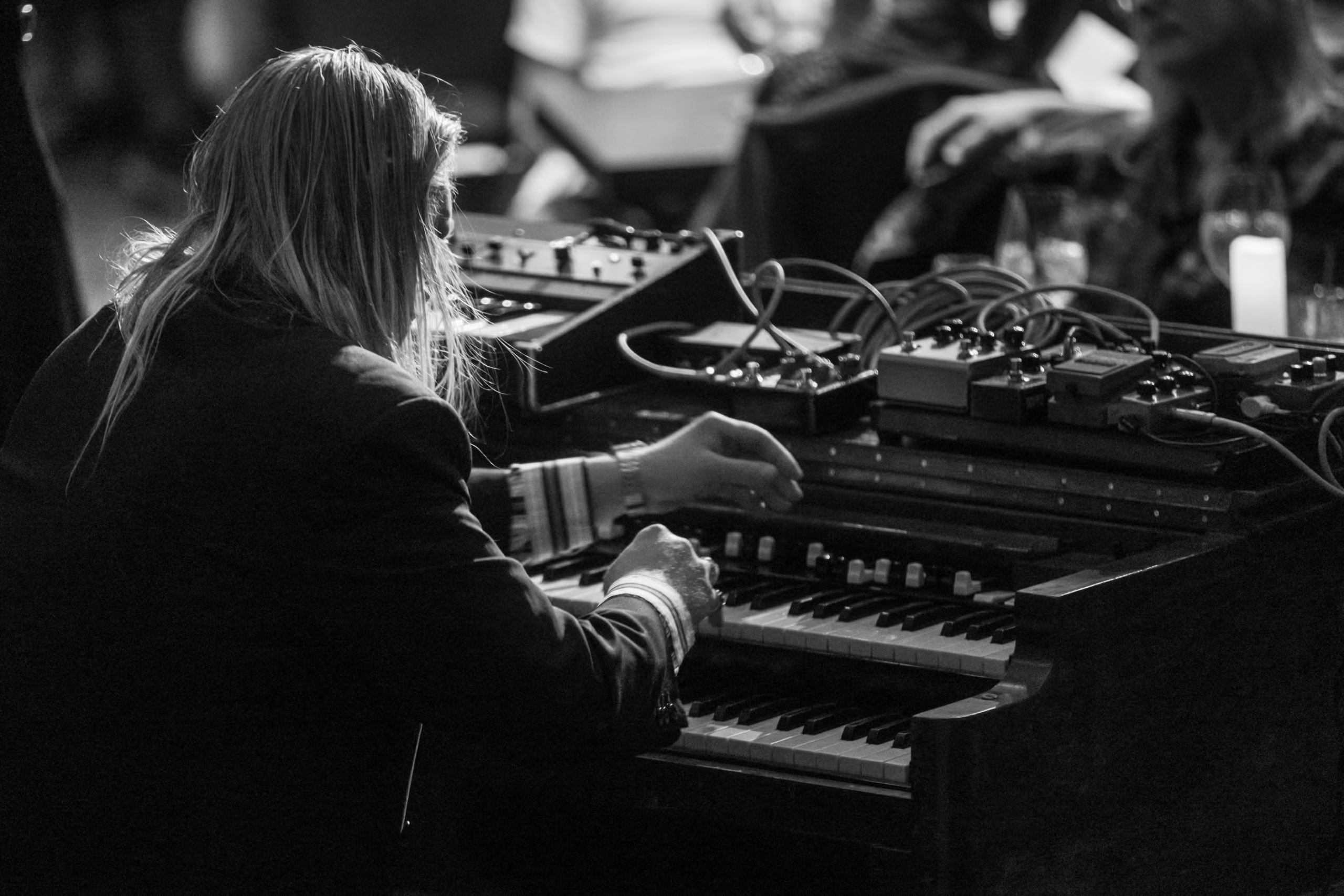
Equally impressive was the collaborative spirit that emerged throughout the festival. Musicians frequently appeared at one another’s performances, participated in workshops, and joined late-night jam sessions. Those spontaneous interactions created an energy impossible to replicate during standalone concerts. Festival environments encourage experimentation, and audiences were rewarded with unique performances unlikely to happen anywhere else. Weather, as always during a Winnipeg summer festival, became part of the story. Warm evenings encouraged audiences to linger after performances, while occasionally shifting skies served as reminders that outdoor events always require flexibility. Festival staff adapted smoothly whenever conditions changed, ensuring audiences remained focused on the music rather than logistical challenges.
What perhaps stood out most across the anniversary edition was the sense of community. Audience members ranged from lifelong jazz enthusiasts who had attended festivals since the early 1990s to young families introducing children to live music for the first time. Conversations between strangers became common while waiting for shows to begin or standing in food lines. Music created connections that extended beyond generations, backgrounds, and musical preferences. Looking back over 35 years, it becomes clear that the Winnipeg Jazz Festival has continually succeeded because it refuses to remain static. Rather than preserving jazz as a museum piece, it celebrates the genre as something living, evolving, and constantly absorbing new influences. That philosophy keeps longtime attendees engaged while welcoming newcomers who may discover jazz through adjacent musical styles.
The anniversary celebrations acknowledged the many artists, volunteers, organizers, donors, and audiences who helped build the festival over three and a half decades without allowing nostalgia to overshadow the present. Historical displays and commemorative moments served as reminders of how far the festival has come, but each evening’s performances emphasized where it continues to go. As the final concerts concluded and audiences slowly dispersed through the Exchange District, there was a noticeable feeling of satisfaction mixed with anticipation. The 35th anniversary had delivered everything longtime supporters hoped for while giving newer attendees plenty of reasons to return next year.
The 2026 Winnipeg Jazz Festival succeeded because it understood that anniversaries should celebrate progress as much as history. Outstanding performances, thoughtful programming, exceptional organization, and an unmistakable sense of community combined to create one of the strongest editions in recent memory. It honoured the festival’s remarkable legacy without becoming confined by it, demonstrating that after 35 years the Winnipeg Jazz Festival continues to evolve while remaining one of Canada’s most welcoming and musically adventurous festivals. For Winnipeg, it was far more than a birthday celebration—it was another reminder of how deeply live music remains woven into the city’s cultural identity and how bright the festival’s future continues to look.